Liver health is having a moment. Searches have jumped around 700%, liver-cleanse sales have nearly doubled, and liver hashtags have racked up over 160 million TikTok views in 90 days. Most of that attention goes to teas, juices, and powders promising a “detox.” Here’s the part nobody selling them mentions: your liver is already a world-class detox organ, and the biggest threats to it, like fatty liver, alcohol, viruses, and some supplements, aren’t fixed by a cleanse. This guide covers what your liver really does, foods that support liver function, the signs of poor liver function, and when to see a doctor.
Related: more health and wellness guides on HealthMorph
What Does the Liver Actually Do?
Your liver is roughly football-sized, sits under your right ribs, and handles over 500 jobs. The big ones:
- Filters blood from the gut and breaks down alcohol, medicines, and toxins
- Makes bile to digest fats
- Stores and releases glucose to keep blood sugar steady
- Produces proteins for clotting and fluid balance
- Processes cholesterol and fats
- Stores vitamins and iron
It also regenerates, which is why early damage can often be reversed. But it rarely complains, so problems can be silent for years.
Why “Liver Detox” Is Mostly a Myth
Your liver and kidneys detoxify continuously. No juice, tea, or supplement has been shown to make them do it better in healthy people. Problems with the detox industry:
- No clear “toxins” are named, and no proof of removal is offered
- Little human evidence that cleanse products improve liver tests or outcomes
- Real risk: herbal and “liver support” supplements are a known cause of drug-induced liver injury, including some high-dose green tea extracts and turmeric/curcumin products
- Unregulated labels: in many countries, supplements don’t need proof of safety or effectiveness before sale
This doesn’t mean you’re helpless. It means the real tools are boring and effective.
The Real Threat: Fatty Liver (MASLD)
Fatty liver disease, now called metabolic dysfunction-associated steatotic liver disease (MASLD), affects roughly 3 in 10 adults worldwide, and prevalence in India is similarly high. It’s closely tied to belly fat, insulin resistance, high triglycerides, and type 2 diabetes. In most people it’s silent. In some it progresses to inflammation (MASH), scarring (cirrhosis), and liver cancer.
The good news: losing 7 to 10% of body weight can reduce liver fat and inflammation, and may even reverse early scarring. Find supportive eating guidance in our Nutrition & Diet category.
Foods That Support Liver Health (What the Evidence Shows)
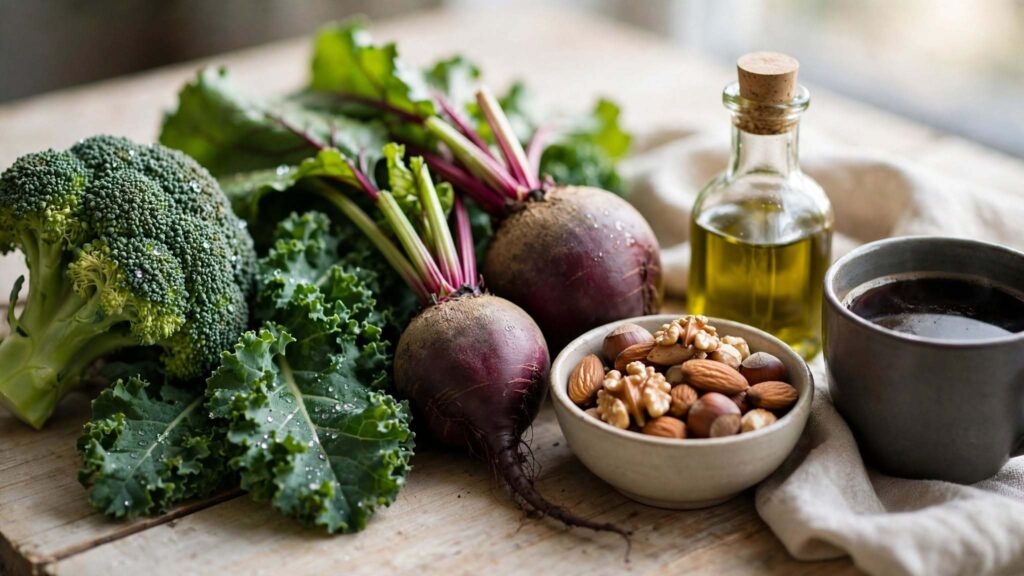
No single “superfood” repairs a liver. Overall eating patterns matter most, and the Mediterranean-style diet has the strongest support. Here’s how popular liver foods really stack up.
Coffee
One of the best-supported foods. Regular coffee drinking is linked in observational studies to lower rates of fibrosis, cirrhosis, and liver cancer. Plain coffee works; sugar-heavy versions don’t count.
Cruciferous vegetables (broccoli, cabbage, cauliflower, kale)
They contain glucosinolates that the body converts to compounds like sulforaphane, which influence detox enzymes. Much of the evidence is from lab and animal studies, with limited human trials, but they’re a smart addition regardless.
Beets
Beetroot provides nitrates and betalain pigments with antioxidant effects. Early research is interesting but mostly animal-based or small. Treat beets as a healthy vegetable, not a treatment.
Turmeric
Curcumin shows anti-inflammatory effects in studies, and using turmeric as a cooking spice is generally fine. But concentrated curcumin supplements, especially with black pepper extract (piperine), have been linked to rare cases of liver injury. Talk to a doctor first, especially if you have liver disease or take medicines. For more traditional, food-first approaches, see our Natural Remedies & Ayurveda guides.
Other solid choices
- Oily fish and nuts: unsaturated fats linked to lower liver fat
- Whole grains, legumes, and fiber: improve insulin sensitivity
- Olive oil: core of the Mediterranean pattern
- Berries and green tea (as a drink, not extract): antioxidants
A note on iron: iron-rich foods are healthy when you need them (see our guide to increasing hemoglobin naturally), but avoid iron supplements unless a blood test shows you’re low, because excess iron can stress the liver.
Limit
- Sugary drinks and fructose-heavy foods
- Ultra-processed snacks and refined carbs
- Deep-fried foods
- Alcohol
Lifestyle Habits That Protect the Liver
- Move regularly. 150 minutes a week of moderate activity lowers liver fat even without weight loss.
- Limit or avoid alcohol. It’s a leading cause of liver disease, and there’s no risk-free amount for people with existing liver issues.
- Be careful with painkillers. Don’t exceed the labeled paracetamol (acetaminophen) dose, and ask a doctor about a lower limit if you drink or have liver disease.
- Get vaccinated against hepatitis A and B.
- Practice safe habits: don’t share needles or razors and use protection to lower hepatitis B and C risk.
- Check medicines and herbal products before combining them.
- Sleep well and manage stress, both of which affect metabolic health. Explore more in our Lifestyle & Habits category.

Signs of Poor Liver Function
Early liver disease often has no symptoms. When symptoms appear, they can include:
- Persistent fatigue and weakness
- Yellowing of skin or eyes (jaundice)
- Dark urine and pale stools
- Itchy skin
- Swelling in the legs, ankles, or abdomen
- Nausea, loss of appetite, or upper-right abdominal discomfort
- Easy bruising or bleeding
- Confusion or unusual sleepiness (advanced disease, needs urgent care)
Many of these can have other causes, so they’re a reason to get checked, not to self-diagnose.
When to See a Doctor
Book an appointment if you:
- Have jaundice, dark urine, or persistent itching
- Have diabetes, prediabetes, obesity, or high triglycerides (screening is recommended)
- Drink regularly or have for years
- Have a family history of liver disease
- Take medicines or supplements that can affect the liver
- Have abnormal liver enzymes on a routine test
Seek urgent care for: vomiting blood, black stools, severe abdominal swelling or pain, confusion, or high fever with jaundice.
Common tests
- Liver function tests: ALT, AST, ALP, GGT, bilirubin, albumin
- Ultrasound to detect fat in the liver
- FIB-4 score to estimate scarring risk
- FibroScan to measure liver stiffness
- Hepatitis B and C blood tests
Normal enzymes don’t always rule out fatty liver or early scarring, so testing is guided by your risk factors.
Frequently Asked Questions
1. Do liver detox and cleanse products work?
There’s no good evidence that they improve liver function in healthy people. Your liver already detoxifies, and some herbal products can cause liver injury.
2. What are the best foods for liver health?
A Mediterranean-style pattern: vegetables (especially cruciferous), fruit, whole grains, legumes, nuts, olive oil, and fish. Coffee also has good evidence.
3. Is turmeric good or bad for the liver?
Turmeric in cooking is generally safe. Concentrated curcumin supplements have been linked to rare liver injury, so check with a doctor first.
4. Can fatty liver be reversed?
Often, in early stages. Weight loss of 7 to 10%, less sugar, regular exercise, and less alcohol can reduce liver fat and inflammation.
5. What are the first signs of liver problems?
Often none. Fatigue, abdominal discomfort, and abnormal blood tests may appear first. Jaundice, dark urine, and swelling come later.
6. Do beets cleanse the liver?
No food “cleanses” the liver. Beets are healthy and contain beneficial compounds, but evidence for direct liver benefits is limited.
7. How much alcohol is safe for the liver?
Lower is better. Guidelines suggest moderate limits for healthy adults, but people with fatty liver, hepatitis, or cirrhosis are usually advised to avoid alcohol.
8. Can I have liver disease with normal blood tests?
Yes. Early fatty liver or fibrosis can exist with normal enzymes, which is why ultrasound or FIB-4 may be used for at-risk people.
9. Which supplements can harm the liver?
High-dose green tea extract, concentrated turmeric/curcumin, some bodybuilding products, and certain herbal remedies have been linked to liver injury. Always tell your doctor what you take.
10. How can I improve liver health naturally?
Maintain a healthy weight, eat whole foods, exercise, limit alcohol, get hepatitis vaccines, use medicines carefully, and get screened if you have risk factors.
The Bottom Line
Great liver health isn’t built with a seven-day cleanse. It comes from steady habits: a Mediterranean-style diet, regular movement, less alcohol and sugar, careful use of medicines and supplements, and testing when you’re at risk. Your liver is resilient and forgiving, so give it consistent support and it will keep working for you. For more practical wellness reads, visit HealthMorph.
Medical disclaimer: This article is for education and isn’t medical advice. Consult a qualified doctor for symptoms or before starting any supplement.






Leave a Reply