
Product Reviews & Recommendations
Product Reviews and Recommendations: Wellness Buying Advice You Can Check
Product reviews and recommendations are only useful if you can see how the verdict was reached. Wellness is one of the easiest categories to be misled in: a supplement label can say “clinically studied” while the study used a different dose, a wearable can look precise while guessing, and a five-star rating can be bought. This section is our attempt at the opposite. We tell you what to look for, what the evidence says, and what we’d skip.
We write for people who’d rather spend ten minutes reading than lose three months and a decent chunk of money on something that doesn’t work.
How We Approach Product Reviews and Recommendations
We start from the claim, not the product. What does the maker say it does? Is there human evidence for that, at that dose, for people like you? Only then do we look at the brand, the price and the details.
Every review is built around the same questions:
- Ingredients and dose. Does the amount per serving match what was used in the research?
- Quality checks. Is there independent third-party testing, or just a logo?
- Safety. Who shouldn’t use it, and what does it interact with?
- Price per useful dose. Not price per bottle, which hides tiny servings.
- Honest downsides. Every product has them.
We don’t accept payment for reviews. If we ever earn a commission on a link, the review says so beside it, and it doesn’t change the verdict.
What to Check Before Buying Any Wellness Product
This table works whether you read our reviews or anyone else’s.
| Product type | What to check | Red flags |
|---|---|---|
| Supplements | Dose per serving, third-party testing seal, ingredient list, who should avoid it | “Proprietary blend” with no amounts, miracle claims, no batch testing |
| Fitness trackers and smartwatches | Heart rate accuracy at rest, battery, data privacy, subscription fees | Calorie or sleep claims presented as exact, medical claims without clearance |
| Skincare and sunscreen | Active ingredients, broad-spectrum SPF 30 or higher, patch test, fragrance for sensitive skin | “Chemical-free” claims, cure claims for acne or scars |
| Air purifiers | True HEPA filter, clean air delivery rate matched to room size, filter cost | Ionisers that produce ozone, vague “air cleaning” with no rating |
| Massagers and posture aids | Comfort, build quality, a return window | Claims of fixing posture or pain permanently |
| Home tests | What the result will change, whether a doctor would act on it | Results presented as diagnoses |
Supplement Reviews and Recommendations: How to Read a Label
Supplements are the area where we get the most questions, so here’s how we read one.
- Find the dose. Compare it to the amount used in good trials. Plenty of products contain a token amount so the ingredient can sit on the label.
- Be wary of proprietary blends. If the maker won’t list the amount of each ingredient, you can’t judge it.
- Look for independent testing. Seals such as USP or NSF, or a published batch certificate of analysis, show someone other than the seller checked the contents.
- Check the interactions. Herbs can affect blood thinners, antidepressants, blood pressure and diabetes medicines. Ask a pharmacist.
- Ignore the testimonials. They tell you about marketing, not safety.
Regulation varies by country. In many places supplements don’t need approval before they’re sold, so quality depends heavily on the brand. That’s why testing seals matter.
Product Reviews and Recommendations We’ve Published
- Gut microbiome testing: are at-home tests worth it? What a stool test can and can’t tell you, and what you’d do with the result.
- Best Triphala supplements: what to look for in a quality brand A guide to buying a multi-herb Ayurvedic product without guessing.
- Ayurvedic skincare ingredients that actually work Neem, turmeric and ubtan, explained.
Related guides while you shop
- CGM for non-diabetics: is it worth it?
- Probiotics for gut health: the strain-specific guide
- Ashwagandha for anxiety and stress
- Amla benefits, juice versus powder, and safety
For background before you buy anything, browse natural remedies and Ayurveda and nutrition and diet.
How to Spot Fake Reviews and Wellness Hype
You don’t need special software. A few patterns give most of it away.
- A burst of five-star reviews in a few days, all short and vague
- Praise that describes the packaging or delivery but not the product
- Before-and-after photos with no timeline, or with different lighting
- “Clinically proven” with no study you can find
- Discount codes from influencers who never mention a downside
- A product that claims to treat many unrelated problems
The most reliable reviews list a specific downside, say how long the reviewer used the product, and explain why they’d still pick it, or not.
Independence and Disclosure
We aim to keep our reviews independent. If you spot a statement that seems to favour a brand without evidence, tell us through the contact page, and we’ll look at it. Health products aren’t a substitute for medical care, and nothing here replaces advice from your own doctor or pharmacist.
Frequently Asked Questions About Product Reviews and Recommendations
Are product reviews trustworthy? Some are, many aren’t. Trust reviews that explain their method, mention downsides, disclose any earnings and refer to evidence beyond the product’s own marketing.
How do I know if a supplement is good quality? Look for third-party testing from USP, NSF or a similar body, clear amounts of every ingredient, and a brand that publishes batch results. Cheap doesn’t mean bad, but opaque does.
Do I need a fitness tracker? No. Trackers are useful for step counts, resting heart rate and building a habit. They’re less accurate for calories burned and sleep stages. Buy one if it motivates you, not because it promises precision.
Are salt lamps and blue-light glasses worth buying? The evidence is weak for both. Himalayan salt lamps haven’t been shown to clean air in any meaningful way, and a large review found blue-light glasses don’t clearly reduce eye strain. If you like them, fine, but don’t expect health effects.
What should I look for in a sunscreen? Broad-spectrum protection, SPF 30 or higher, and a texture you’ll actually wear every day. The best sunscreen is the one you use.
Can I trust reviews that use affiliate links? Sometimes, if the site discloses the link clearly and the review is balanced. Be wary of lists that praise every product.
Shop Slower
Before buying, write down the problem you’re trying to solve, check what the evidence says, and compare two or three options on dose and price per serving. Subscribe to the Health Morph newsletter for new reviews, or see our health and wellness and fitness and exercise sections for the rest of the picture.
This page is for general information and isn’t medical advice. Check with a doctor or pharmacist before starting any supplement, especially if you’re pregnant, nursing or taking medicine.
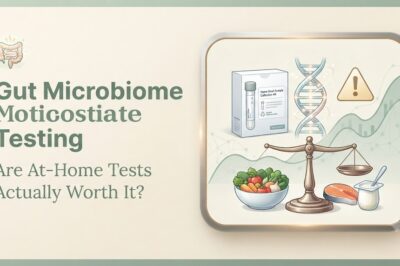
Gut Microbiome Testing: Are At-Home Tests Actually Worth It?
Gut microbiome testing has grown into a genuinely massive industry — send in a stool sample, get back a detailed…

Best Triphala Supplements: What to Look for in a Quality Brand
Finding the best Triphala supplements starts with understanding what you’re actually buying — because unlike single-herb supplements, Triphala is a…
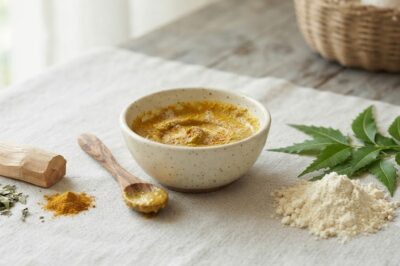
Ayurvedic Skincare Ingredients That Actually Work: Neem, Turmeric, and Ubtan Explained
Ayurvedic skincare ingredients have moved well beyond a niche interest — neem, turmeric, and sandalwood are now showing up in…

Follow Us
Recent Posts
- Ayurvedic Remedies for High Blood Pressure: The Complete Guide to Arjuna, Sarpagandha, Brahmi, Garlic, Tulsi, Shirodhara and Pranayama
- Best Weight Loss Drinks You Can Make at Home: What Works, What Doesn’t
- Herbal Massage Oil for Joint Pain: Ingredients, Safe Ratios and an Oral Spice Blend
- Kalonji for Weight Loss: How to Take It, the Right Dose and What the Research Shows

- Anti-Aging Morning Routine: 3 Ayurvedic Habits That Hold Up Under Research

Categories
Tags
adaptogens ashwagandha benefits Ayurveda and evidence ayurvedic remedies blood sugar brain fog CGM for non-diabetics cortisol and stress Digestive Health fatty liver GLP-1 foods gut-brain connection gut brain axis gut health Gut Microbiome holistic health hype vs evidence insulin resistance MASLD metabolic health microbiome natural sleep aids natural stress relief Ozempic alternatives polyvagal theory probiotics sleep hygiene sleep hygiene tips stress management supplement safety