
Men’s Health
Men’s Health: A Straight-Talking Guide to Body, Mind and Staying Power
Men’s health covers everything from heart and prostate checks to testosterone, fertility, fitness, sleep and mental wellbeing. On average, men live about five years less than women worldwide, and a lot of that gap comes down to things that can be changed: late diagnoses, unmanaged blood pressure, smoking, alcohol, and a habit of putting off the doctor until something really hurts.
This section is written for men who want plain answers without the gym-bro hype or the scare tactics. We’ll tell you what the evidence supports, what it doesn’t, and when to stop reading and book an appointment.
Why Men’s Health Needs Its Own Conversation
Men are less likely than women to see a doctor for routine care, and more likely to wait out symptoms. Heart disease tends to show up in men several years earlier than in women. Men are also more likely to die by suicide in most countries, partly because many feel they have to handle things alone.
None of that is destiny. Most of the big risks respond to the same few things: regular checks, movement, decent food, enough sleep, and someone to talk to. The problem is rarely knowledge. It’s getting around to it.
Men’s Health Checkups: What to Test and When
Guidance varies by country, age and family history, so treat this as a starting point for a conversation with your doctor, not a rulebook.
| Check | Why it matters | Typical guidance |
|---|---|---|
| Blood pressure | High pressure usually has no symptoms and raises heart and stroke risk | At least yearly from 40, sooner with a family history |
| Cholesterol and blood sugar | Early signs of heart disease and type 2 diabetes | Every few years in adulthood, more often if results are high |
| Prostate (PSA discussion) | Prostate cancer is common and often slow, but not always | Many guidelines suggest a conversation from about 50, earlier with family history or higher risk |
| Bowel screening | Colorectal cancer is very treatable when caught early | Starts between 45 and 50 in many countries |
| Testicle self-check | Testicular cancer is most common in younger men | Monthly; see a doctor for any lump, swelling or heaviness |
| Skin check | Moles that change shape or colour can be early melanoma | Look every few months, see a doctor about changes |
| Mood and sleep | Depression and burnout often show up as irritability and exhaustion | Mention it at any visit |
Fitness and Strength for Men’s Health at Every Age
Muscle is a health asset, not just a look. Men lose it gradually from about 30 onwards, faster if they stop training. Strong legs, a strong back and a decent aerobic base predict how well you’ll cope in your 60s and 70s.
- In your 20s and 30s: Build the habit and the base. Lift three times a week, walk a lot, and learn proper technique now so you don’t pay for it later. Our strength training for beginners guide needs no gym.
- In your 40s: Add easy aerobic work and protect your joints. Warm up properly and take recovery seriously. See our explainer on zone 2 cardio.
- From 50 on: Keep lifting, add balance work, and focus on legs. Our piece on leg weakness after 45 explains why resistance training beats most home remedies.
For more, see the full fitness and exercise section.
Eating for Men’s Health: Practical Basics
There’s no special diet for men. What matters is mostly consistent.
- Protein at every meal. Eggs, fish, chicken, dairy, lentils, tofu. It supports muscle, especially after 40.
- Vegetables and fruit daily. At least 400 g, which is the WHO’s minimum.
- A waist that isn’t growing. Fat around the middle is linked with heart disease, type 2 diabetes and fatty liver. If your waist is creeping up, our fatty liver diet guide is a good place to start.
- Less alcohol. Fewer drinks is better for blood pressure, sleep, mood and liver health.
- Check before supplementing. Low vitamin B12 or D is common and shows up as fatigue, so test before guessing.
Browse healthy recipes for quick meals that fit around work.
Testosterone, Sexual Health and Fertility in Men’s Health
Testosterone drifts down gradually, roughly 1% a year from around 40, but a normal decline isn’t the same as a deficiency. Symptoms like low libido, persistent fatigue, low mood and loss of muscle have many causes, including poor sleep, stress, obesity and depression. A proper diagnosis needs symptoms plus repeated morning blood tests, so don’t buy a supplement on the strength of an advert. Our article on low testosterone and Ayurvedic remedies sorts out what has evidence behind it.
Two things worth knowing. First, erectile problems can be an early warning sign of heart disease, because the same blood vessels are involved. It’s worth a doctor visit, not just a pill. Second, fertility isn’t only a women’s issue. Male factors contribute to a large share of couples’ difficulties conceiving. See our guide to low sperm count and male fertility and our prostate health summary. For performance concerns, start with natural ways to boost bedroom endurance and our sexual health section.
Men’s Mental Health: Stress, Burnout and Asking for Help
Men often describe depression as anger, irritability, working too much or drinking more, rather than sadness. That makes it easy to miss, including by the man himself.
Signs worth taking seriously: sleep gone wrong for weeks, losing interest in things you used to like, pulling away from people, a short fuse, or feeling like a burden. Tell someone you trust, then your doctor. Walking, regular exercise and consistent sleep all help, and our walking for anxiety piece is a gentle place to begin. Browse the wider mental health library for more.
If you’re having thoughts of ending your life, contact your local emergency number or a crisis line in your country now. Telling someone isn’t weakness.
Men’s Health Guides and Related Reading
- Low sperm count and male fertility
- Prostate health: what the research shows
- Low testosterone and male vitality
- Natural ways to boost bedroom endurance
- Strength training for beginners
- Health conditions and lifestyle habits
Frequently Asked Questions About Men’s Health
What are the biggest health risks for men? Heart disease, stroke, certain cancers (lung, prostate, colorectal), type 2 diabetes, injuries, and depression top most lists. Smoking, alcohol, obesity and untreated high blood pressure drive many of them.
At what age should men start health screenings? Blood pressure checks from early adulthood, cholesterol and blood sugar by about 40, and prostate and bowel conversations from the late 40s to 50. Start earlier if relatives had heart disease or cancer.
How can I tell if my testosterone is low? Symptoms alone aren’t enough. A doctor will usually check morning blood levels on more than one occasion and look for other causes first.
What’s the best exercise for men over 40? A mix: resistance training two or three times a week, regular brisk walking or easy cardio, and some balance and mobility work.
Do men need different vitamins than women? Mostly no. Needs depend on diet, age and bloodwork rather than sex. Iron, for instance, is rarely needed unless a test shows low levels.
Is it normal to feel tired all the time? Feeling constantly tired isn’t something to push through. Sleep problems, stress, low vitamin D or B12, thyroid issues, diabetes and depression are all common causes, and a doctor can sort them out.
Book the Appointment
If you’ve been putting something off, this is your nudge. Pick one check from the table above, book it this week, and come back for the guides that fit what you find. Subscribe to the Health Morph newsletter for new articles.
This page is for general education and isn’t medical advice. Talk to a qualified healthcare professional about symptoms or personal health decisions.
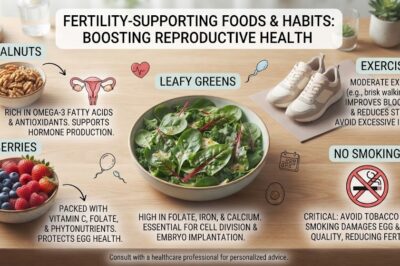
Low Sperm Count & Male Fertility: Natural Ways to Support It
Low sperm count and male fertility issues affect roughly 15% of couples trying to conceive, with male factor infertility accounting…
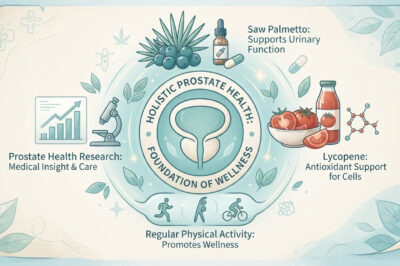
Prostate Health Natural Support: What the Research Actually Shows
Search “prostate health natural support” and you’ll land on page after page recommending the same handful of supplements — nearly…

Low Testosterone & Male Vitality: 3 Ayurvedic Remedies Backed by Research
Why So Many Men Over 35 Feel “Off” — And It’s Not Just Age Turning away in bed. Waking up…

Elevate Your Intimacy: Natural & Science-Backed Ways to Boost Bedroom Endurance – Your Health Morph Guide to Lasting Confidence
Introduction Natural ways to improve bedroom endurance are gaining popularity as more people seek safe, effective, and science-backed solutions to…

Follow Us
Recent Posts
- Ayurvedic Remedies for High Blood Pressure: The Complete Guide to Arjuna, Sarpagandha, Brahmi, Garlic, Tulsi, Shirodhara and Pranayama
- Best Weight Loss Drinks You Can Make at Home: What Works, What Doesn’t

- Herbal Massage Oil for Joint Pain: Ingredients, Safe Ratios and an Oral Spice Blend

- Kalonji for Weight Loss: How to Take It, the Right Dose and What the Research Shows

- Anti-Aging Morning Routine: 3 Ayurvedic Habits That Hold Up Under Research

Categories
Tags
adaptogens ashwagandha benefits Ayurveda and evidence ayurvedic remedies blood sugar brain fog CGM for non-diabetics cortisol and stress Digestive Health fatty liver GLP-1 foods gut-brain connection gut brain axis gut health Gut Microbiome holistic health hype vs evidence insulin resistance MASLD metabolic health microbiome natural sleep aids natural stress relief Ozempic alternatives polyvagal theory probiotics sleep hygiene sleep hygiene tips stress management supplement safety