
Health & Wellness
Health and Wellness: Plain-Spoken Guides for Everyday Life
Health and wellness is the sum of how well your body works and how well you live in it: sleep, movement, food, stress, relationships, and the medical care you get when you need it. The World Health Organization has described health since 1948 as more than the absence of disease, and that is still the most useful way to think about it. You can have clean blood tests and feel terrible. You can live with a chronic condition and have mostly good days.
This section of Health Morph covers all of that in ordinary language. We say what the research found, how strong it is, and where it runs out.
What Health and Wellness Actually Mean
Health is a condition. It’s what a doctor can measure: blood pressure, blood sugar, lung function, a scan. Wellness is something you do. It’s the pile of small, repeated choices that push those numbers, and your mood, in a better direction.
The two feed each other. Good sleep improves blood sugar control, which improves energy, which makes a walk more likely, which improves sleep. The loop also runs backwards, which is why a bad fortnight can snowball. Most health and wellness advice is really about nudging that loop the right way and keeping it there.
The habits look different in Mumbai, Manchester and Memphis. The biology doesn’t. A good night’s rest and a daily walk do the same job everywhere.
The Six Pillars of Health and Wellness
No single habit carries the whole thing. These six cover most of what moves the needle, and each links to a deeper guide.
- Sleep. Most adults do best with seven or more hours. Timing matters as much as length, and your light exposure sets your body clock. Our piece on light hygiene and circadian health shows what to change first.
- Movement. Around 150 minutes of moderate activity a week, plus strength work twice. Start with our fitness and exercise guides.
- Food. A pattern you can keep for years beats a perfect plan you drop in March. Browse nutrition and diet for the practical end of it.
- Stress and mind. Chronic stress changes sleep, digestion and appetite. Our mental health library covers anxiety, burnout and the tools that have real evidence behind them.
- Connection. Loneliness is linked with worse health outcomes in large studies. Regular contact with people you like is a health habit, not a luxury.
- Prevention. Screening, vaccines, dental checks, blood pressure readings. Boring, and effective. See low-friction prevention for how to make these happen without willpower.
How to Start Health and Wellness When You Feel Behind
If you’re reading this at 11 pm with a vague sense you should be doing more, begin here.
- Fix one thing for two weeks. Pick the pillar that’s worst right now. Usually that’s sleep.
- Make it smaller than feels useful. A ten-minute walk. One extra glass of water at lunch. A fixed wake-up time.
- Attach it to something you already do. Stretch while the kettle boils. Walk after dinner.
- Track it in the dumbest way possible. A tick on a wall calendar works.
- Add the second habit only when the first feels boring. Boring means it’s automatic.
What doesn’t work is a total reset on Monday. Most people last about nine days.
Health and Wellness Trends: What Holds Up and What Doesn’t
Wellness is also an industry, and it sells hope very efficiently. Some products have real science behind them, some have a single small study, and some have a good story. We run every trend through the same questions. Was it tested in humans? How many? For how long? Who paid for it? And is the effect large enough that you’d notice it in daily life?
Where we’ve done that work:
- Nootropics: what works for focus and memory, and what’s marketing
- NAD+ precursors and mitochondrial health, biology versus sales pitch
- Grounding and earthing: barefoot walking, sheets and mats
- Lymphatic drainage: what it can and can’t do for detox, swelling and recovery
- AI self-diagnosis and digital health: where it helps and where it fails
Natural Remedies and Ayurveda Inside Modern Health and Wellness
Many readers come to us for traditional approaches, particularly Ayurveda, and we cover them seriously. That means two things. Where trials exist, we report them. Where a remedy rests on tradition alone, we say so and let you decide.
“Natural” doesn’t mean harmless. Herbs can interact with prescription medicines, and a supplement that’s fine at a food dose can behave differently as a concentrated extract. If you take regular medication or are pregnant, check with your doctor or pharmacist first. Start in our natural remedies and Ayurveda section, or with two popular guides: amla benefits, juice versus powder, and safety and Ayurvedic remedies for hair fall.
Browse Health and Wellness Guides by Topic
Digestion and metabolism
- Acid reflux and GERD: natural remedies that work
- Fatty liver diet: everyday Indian foods and habits
- Raisins and kishmish: what the research shows
Nutrients and deficiencies
Illness and recovery
More sections
When Self-Care Isn’t Enough
A wellness article can’t replace an examination. Chest pain, trouble breathing, sudden weakness on one side of the body, a severe headache that came on fast, or thoughts of harming yourself need urgent care, so contact your local emergency number. Symptoms that last more than a couple of weeks, unexplained weight loss, or anything that keeps getting worse should also be seen by a clinician, even if it seems minor.
Frequently Asked Questions About Health and Wellness
What is the difference between health and wellness? Health is your current physical and mental condition. Wellness is the ongoing effort you put into improving it. You can have one without the other for a while, but over years they tend to move together.
What are the main parts of health and wellness? Physical, mental, emotional and social. In practice that means sleep, activity, food, stress management, relationships and regular preventive care.
Where should I start if I want to improve my health? Start with sleep. A consistent bedtime and wake time improves mood, appetite and energy within a couple of weeks, and it makes every other change easier.
How long does it take to notice a difference? Sleep and energy often shift in two to three weeks. Blood pressure and blood sugar take a few months. Body composition and long-term risk take longer, which is why consistency matters more than intensity.
Do I need supplements? Usually not, if you eat a varied diet. Some people do need them, for example for a diagnosed deficiency, pregnancy, or a restricted diet. A blood test beats guessing.
Is natural medicine safe to combine with prescribed medicine? Not always. Some herbs change how drugs are absorbed or broken down. Tell your doctor or pharmacist everything you take.
Keep Reading
Pick the pillar that’s weakest for you right now, open the matching guide above, and change one thing. If you’d like new guides as they publish, subscribe to the Health Morph newsletter or follow us on Instagram, YouTube and Pinterest.
This page is for general information and doesn’t replace advice from a qualified health professional.

Ayurvedic Remedies for High Blood Pressure: The Complete Guide to Arjuna, Sarpagandha, Brahmi, Garlic, Tulsi, Shirodhara and Pranayama
High blood pressure has no symptoms to speak of, and that’s exactly why Ayurvedic remedies for high blood pressure are…

Ayurvedic Remedies for Hair Fall: Amla, Bhringraj, Oil Massage and What Else Actually Works
Ask almost any Indian family for Ayurvedic remedies for hair fall and you’ll get three answers before you finish the…
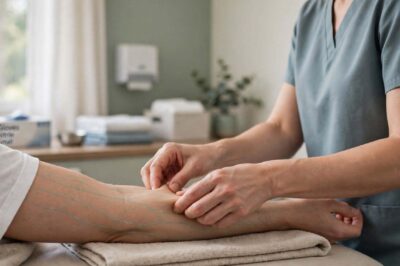
Lymphatic Drainage: What It Can (and Can’t) Do for Detox, Swelling, and Recovery
Search for lymphatic drainage and within about a minute someone will tell you that a ten-minute neck massage, a trampoline…
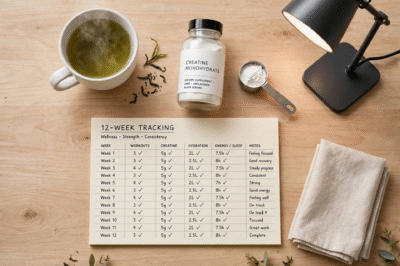
Nootropics: What Actually Works for Focus and Memory (and What’s Just Marketing)
The word “nootropic” was coined in 1972 by a Romanian chemist, Corneliu Giurgea, and he was strict about it. A…

Acid Reflux and GERD: Natural Remedies That Actually Work (and When to See a Doctor)
Most people who say they have acid reflux are describing a Tuesday night after a heavy dinner, and that’s fine….

Grounding (Earthing): What the Science Actually Says About Walking Barefoot, Grounding Sheets, and Mats
Grounding sheets went from a niche wellness gadget to a bestseller in a few years, and the pitch is hard…
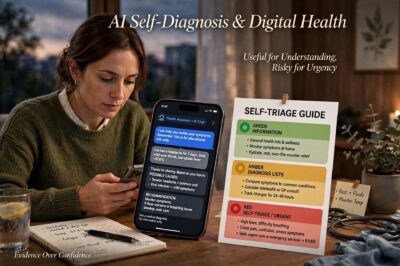
AI Self-Diagnosis & Digital Health: What the Research Shows, Where It Fails, and How to Use It Safely
AI self-diagnosis is already part of how people deal with symptoms. A strange rash, a headache that won’t quit, a…

Light Hygiene: How Your Light Environment Shapes Sleep, Mood, and Metabolism
Most of us think about sleep as something that happens at night. Your body doesn’t. It starts setting up for…

Mitochondrial Health & NAD+ Precursors: Separating Biology from Marketing
Somewhere around the time “longevity” became a product category, mitochondria stopped being a high-school biology answer and became a sales…
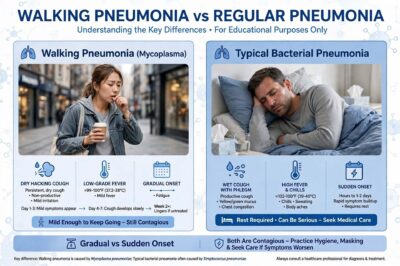
Walking Pneumonia: Symptoms, Contagiousness, and Recovery
Walking pneumonia has an odd name for something that can leave you coughing for weeks. It’s a mild form of…

Follow Us
Recent Posts
- Ayurvedic Remedies for High Blood Pressure: The Complete Guide to Arjuna, Sarpagandha, Brahmi, Garlic, Tulsi, Shirodhara and Pranayama
- Best Weight Loss Drinks You Can Make at Home: What Works, What Doesn’t

- Herbal Massage Oil for Joint Pain: Ingredients, Safe Ratios and an Oral Spice Blend
- Kalonji for Weight Loss: How to Take It, the Right Dose and What the Research Shows

- Anti-Aging Morning Routine: 3 Ayurvedic Habits That Hold Up Under Research

Categories
Tags
adaptogens ashwagandha benefits Ayurveda and evidence ayurvedic remedies blood sugar brain fog CGM for non-diabetics cortisol and stress Digestive Health fatty liver GLP-1 foods gut-brain connection gut brain axis gut health Gut Microbiome holistic health hype vs evidence insulin resistance MASLD metabolic health microbiome natural sleep aids natural stress relief Ozempic alternatives polyvagal theory probiotics sleep hygiene sleep hygiene tips stress management supplement safety