
Home remedies for acid reflux and heartburn are some of the most searched natural health topics out there, and for good reason — that burning sensation behind the chest is common, uncomfortable, and most people would rather reach for something in the pantry than a prescription. The honest problem is that most of the internet’s favorite fixes, apple cider vinegar chief among them, have far less evidence behind them than their popularity suggests — and one can genuinely make things worse.
Here’s what actually holds up, ranked by evidence, plus the one remedy that comes with a real warning label.
What Actually Causes Acid Reflux
Acid reflux happens when stomach acid flows back up into the esophagus, typically because the lower esophageal sphincter (LES) — the muscle that’s supposed to keep stomach contents where they belong — relaxes at the wrong time or doesn’t close fully. Occasional heartburn is extremely common; frequent reflux (more than twice a week) may indicate gastroesophageal reflux disease (GERD), which is worth discussing with a doctor rather than managing indefinitely with home remedies alone.
Home Remedies for Acid Reflux and Heartburn With Real Evidence Behind Them
A handful of natural approaches to acid reflux and heartburn have genuine research or a well-understood mechanism behind them:
Baking soda has the clearest, most immediate mechanism of any home remedy on this list. A half-teaspoon dissolved in eight ounces of water neutralizes stomach acid within minutes, working essentially like an over-the-counter antacid. The catch: each dose contains roughly 630 mg of sodium, so it isn’t safe for daily or repeated use, particularly for anyone managing blood pressure or on a sodium-restricted diet.
Chewing sugar-free gum for about 30 minutes after a meal has a small study behind it showing it can reduce acid levels in the esophagus, likely by stimulating saliva production, which helps neutralize acid and clear it from the esophagus faster.
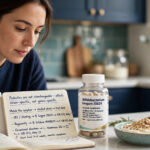
Probiotics, particularly strains like Lactobacillus acidophilus and Bifidobacterium, have some evidence supporting a role in reducing reflux and heartburn symptoms specifically, alongside their more established use for other digestive complaints. If trying this route, sourcing from a reputable supplement manufacturer matters, since quality varies significantly across the probiotic market.
DGL licorice (deglycyrrhizinated licorice) and plain yogurt are frequently mentioned by gastroenterologists as gentler, better-tolerated options for repeat symptoms compared to more aggressive remedies like baking soda.
Apple Cider Vinegar: Why the Popular Fix Doesn’t Hold Up
This is the remedy most worth reconsidering. Despite being one of the most recommended acid reflux fixes online, there is no published clinical research supporting apple cider vinegar for heartburn — a conclusion Harvard Health Publishing reached after reviewing the available medical literature directly. The underlying theory (that reflux is sometimes caused by too little stomach acid, and adding more acid helps) doesn’t hold up for the vast majority of people experiencing reflux.
More importantly, there’s a real safety concern: undiluted apple cider vinegar can erode tooth enamel and irritate an esophagus that’s already inflamed from reflux, and a 2019 review in Current Opinion in Gastroenterology specifically categorized it as a remedy with no empirical support. If you want to try it anyway despite the lack of evidence, it should only ever be diluted significantly in water and never taken at full strength — and it’s worth skipping entirely if you have moderate-to-severe GERD, where it may worsen symptoms.
Lifestyle Changes That Outperform Most Remedies
Two changes with no ingredients required consistently show more benefit than most of the remedies people reach for first:
- Timing your last meal. Eating within three hours of bedtime meaningfully increases reflux risk, since lying down with a full stomach makes it physically easier for acid to travel back up the esophagus.
- Identifying and avoiding personal trigger foods. Common triggers include tomatoes and tomato-based products, citrus fruits, fried and fatty foods, caffeine, and carbonated beverages — though triggers vary meaningfully between individuals, so tracking your own pattern matters more than following a generic list.
- Eating smaller, more frequent meals rather than large ones, which reduces pressure on the stomach and lower esophageal sphincter.
- Sleeping on your left side, which uses gravity and anatomy to reduce nighttime reflux more effectively than sleeping on your back or right side.
Remedies to Use With Caution or Avoid
A few commonly recommended options come with real caveats worth knowing before you try them:
- Ginger has a genuinely divided evidence picture: it’s well-established for nausea, and some research suggests it can ease heartburn, but other research suggests ginger may relax the lower esophageal sphincter further, potentially worsening reflux in certain people. If you try it, use a small amount and stop if symptoms worsen rather than increasing the dose.
- Peppermint, despite solid evidence for irritable bowel syndrome, may actually relax the LES and trigger reflux in some people — a case where a remedy that works for one digestive issue can worsen a different one.
- Lemon juice mixed with warm water and honey is sometimes described as having an alkalizing effect, but this is a much smaller and less-studied claim than the confidence with which it’s often shared.
Special Note for Pregnancy
Heartburn affects roughly 45% of pregnant women, mostly in the second and third trimesters, due to hormonal changes relaxing the LES and physical pressure from a growing uterus. Small, frequent meals, left-side sleeping, plain yogurt, and ripe bananas are generally considered safe during pregnancy. Baking soda, large doses of ginger, peppermint, fennel seeds, and apple cider vinegar should be avoided or discussed with an OB-GYN first, given the added sensitivity of pregnancy to sodium load and certain herbal compounds.
When to See a Doctor
Home remedies are reasonable for occasional, mild heartburn, but it’s time to talk to a doctor if:
- You need antacids more than twice a week
- You wake up at night with reflux or coughing
- You have trouble swallowing or pain when swallowing
- Symptoms persist despite consistent lifestyle changes and home remedies
Frequent reflux left unmanaged can lead to esophageal irritation and other complications over time, which is why persistent symptoms deserve a real diagnosis rather than an escalating home-remedy routine. If gut health more broadly is a concern alongside reflux, our guide on neem leaves for gut health covers related digestive support strategies.
Frequently Asked Questions About Home Remedies for Acid Reflux and Heartburn
What is the fastest home remedy for acid reflux? Baking soda dissolved in water is generally the fastest-acting option, neutralizing stomach acid within minutes similar to an over-the-counter antacid. It isn’t safe for daily use due to its sodium content.
Does apple cider vinegar actually help acid reflux? No published clinical research supports this widely recommended remedy. Harvard Health Publishing found no evidence in the medical literature to back the claim, and undiluted ACV can irritate the esophagus and erode tooth enamel.
Is ginger good or bad for acid reflux? The evidence is genuinely mixed. Ginger has anti-inflammatory properties that may soothe the digestive tract, but some research suggests it can also relax the lower esophageal sphincter, potentially worsening reflux in certain people.
What lifestyle changes help acid reflux the most? Avoiding meals within three hours of bedtime, identifying personal trigger foods, eating smaller and more frequent meals, and sleeping on your left side are consistently cited as more effective than most specific home remedies.
A Note From Health Morph
This article is for informational purposes only and isn’t a substitute for personalized medical advice. If you experience frequent or severe acid reflux, difficulty swallowing, or symptoms that don’t improve with lifestyle changes, please see a doctor for proper evaluation.
For more evidence-based natural remedy guides, explore our Natural Remedies & Ayurveda section, or read our related guide on neem leaves for gut health.






Leave a Reply