If your last blood panel came back with LDL sitting higher than your doctor would like, you’re probably already searching for how to lower cholesterol naturally before jumping straight to a statin prescription — and that’s a completely reasonable place to start. Cholesterol numbers respond faster to lifestyle changes than most people expect, but only when the right changes are made consistently, not just the vague “eat healthier” advice that never quite specifies what to actually do. This guide breaks down exactly which foods raise LDL and which lower it, which fibers and fats genuinely move the needle in clinical studies, how much exercise actually matters, and which supplements have real evidence behind them versus which ones are just marketing. Everything here is written with actual research in mind, not recycled listicle advice, so you can walk away with a plan you can start on today.
Understanding Cholesterol Before You Try to Lower It
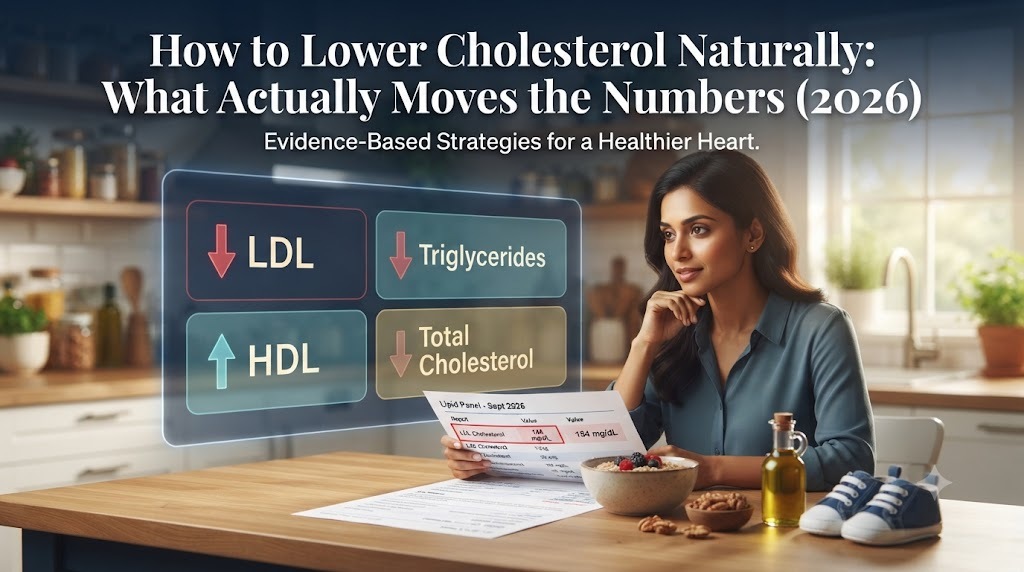
Before diving into remedies, it helps to know what you’re actually trying to change:
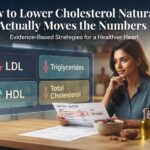
| Type | What It Does | Goal |
|---|---|---|
| LDL (low-density lipoprotein) | Carries cholesterol to arteries; excess contributes to plaque buildup | Lower it |
| HDL (high-density lipoprotein) | Carries cholesterol away from arteries to the liver | Raise it |
| Triglycerides | Fat circulating in blood, often elevated by sugar and alcohol | Lower it |
| Total cholesterol | Combined measure of LDL, HDL, and a portion of triglycerides | Keep in healthy range |
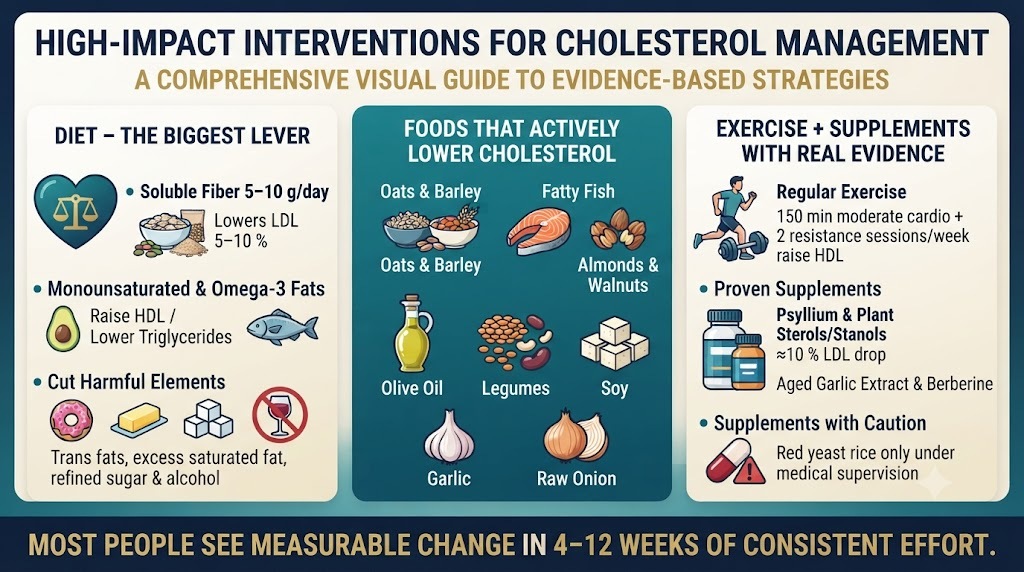
Most natural interventions for lowering cholesterol work by reducing LDL and triglycerides while modestly raising HDL — and the strongest evidence points to diet as the single biggest lever, followed by exercise, weight management, and select supplements.
Diet: The Most Powerful Tool for Lowering Cholesterol Naturally
Soluble Fiber Is the Single Best-Studied Intervention
Soluble fiber binds to cholesterol in the digestive tract and carries it out of the body before it’s absorbed. Multiple clinical trials show that increasing soluble fiber intake by just 5–10 grams a day can lower LDL cholesterol by roughly 5–10%. The best sources include:
- Oats and oat bran (beta-glucan fiber specifically shown to lower cholesterol)
- Legumes — lentils, chickpeas, black beans
- Apples, pears, and citrus fruit
- Psyllium husk supplements
This detailed breakdown of the worst foods for heart health that Americans eat daily is worth reading alongside this section, since knowing what raises LDL is just as important as knowing what lowers it — oats and flaxseed appear on both lists as heart-protective swaps for the foods you should be cutting.
Healthy Fats vs. Harmful Fats
Not all fat behaves the same way in your bloodstream:
- Monounsaturated fats (olive oil, avocado, nuts) modestly raise HDL and lower LDL
- Polyunsaturated omega-3 fats (fatty fish, walnuts, flaxseed) primarily lower triglycerides and reduce inflammation
- Saturated fat (red meat, butter, full-fat dairy) raises LDL when consumed in excess, though the degree of impact varies by individual
- Trans fats (partially hydrogenated oils, many fried and packaged foods) are the single worst category — they raise LDL and lower HDL simultaneously
If you want a deeper understanding of exactly why omega-3s matter for cardiovascular and inflammatory health, this guide on omega-3 benefits, EPA, and DHA explains the research clearly, including how much you actually need daily.
Foods That Actively Lower Cholesterol
- Oats and barley (beta-glucan fiber)
- Fatty fish like salmon, mackerel, and sardines
- Nuts, especially almonds and walnuts
- Olive oil as a primary cooking fat
- Legumes and beans
- Soy products (tofu, edamame)
- Garlic, which several studies link to modest LDL reduction
- Raw onions, which research associates with improved cholesterol and cardiovascular markers thanks to their sulfur compounds and quercetin content — this overview of the surprising benefits of eating raw onion covers exactly how much to eat and in what form for the biggest effect
Foods and Habits to Cut
- Fried and processed breakfast items, which quietly do more damage to cholesterol than people realize — this piece on the worst foods for breakfast you should avoid is a good gut-check if your mornings currently include pastries, sugary cereal, or fried options
- Refined sugar and excess alcohol, both of which spike triglycerides
- Excess red and processed meat
- Ultra-processed snack foods cooked in refined seed oils
Exercise: The Second-Biggest Lever for Cholesterol
Regular physical activity raises HDL (the “good” cholesterol) and helps lower triglycerides, independent of weight loss. Both moderate steady-state cardio and resistance training contribute, but consistency matters more than intensity for cholesterol specifically. Lower-intensity, sustainable cardio training — the kind that’s easy to maintain for years rather than weeks — tends to produce the best long-term cholesterol and metabolic improvements. This guide on Zone 2 cardio and why it’s become so popular explains how to train in this heart-healthy zone without overtraining, which is especially useful if you’re starting a cholesterol-focused exercise routine from scratch.
Aim for at least 150 minutes of moderate aerobic activity per week, plus two sessions of resistance training, which research consistently links to measurable HDL improvement over 8–12 weeks.
Weight Management and Cholesterol
Even modest weight loss — 5 to 10% of body weight — has been shown in clinical studies to meaningfully lower LDL and triglycerides while raising HDL. This isn’t about extreme dieting; slow, sustainable weight loss through the dietary changes above, combined with regular movement, tends to produce the most durable cholesterol improvements without the rebound effect seen with crash diets.
Natural Supplements With Real Evidence for Cholesterol
Psyllium Husk
A concentrated soluble fiber supplement with strong clinical evidence for lowering LDL, typically used at 5–10 grams daily mixed into water.
Plant Sterols and Stanols
Found naturally in small amounts in plants and added to fortified foods, plant sterols block cholesterol absorption in the gut. Studies show 2 grams daily can lower LDL by around 10%.
Garlic Extract
Aged garlic extract has shown modest LDL-lowering effects in several trials, likely through its allicin content and mild anti-inflammatory properties.
Red Yeast Rice
Contains naturally occurring compounds chemically similar to statin medications and has shown meaningful LDL reduction in trials — but for that same reason, it should only be used under medical supervision, particularly if you’re already on cholesterol medication.
Berberine
A compound found in several plants that has shown LDL and triglyceride reduction in multiple studies, working through pathways that partially overlap with how statins function.
For a broader look at natural approaches that address cholesterol alongside blood pressure, which frequently rise together, this guide on a natural remedy for high BP and cholesterol is a strong companion resource with additional herbal and lifestyle strategies.
Nutrient Gaps That Quietly Affect Cardiovascular Health
Vitamin D deficiency has been associated in research with less favorable cholesterol profiles and higher cardiovascular risk markers, making it worth checking your levels as part of a complete natural cholesterol-lowering plan. This guide on vitamin D deficiency symptoms and how much you actually need walks through how to identify and correct a deficiency safely. Additionally, nutrient-dense plants like moringa have drawn research interest for their potential cholesterol and antioxidant benefits — this deep dive into moringa leaves benefits covers what the current evidence actually supports.
How Long Does It Take to Lower Cholesterol Naturally?
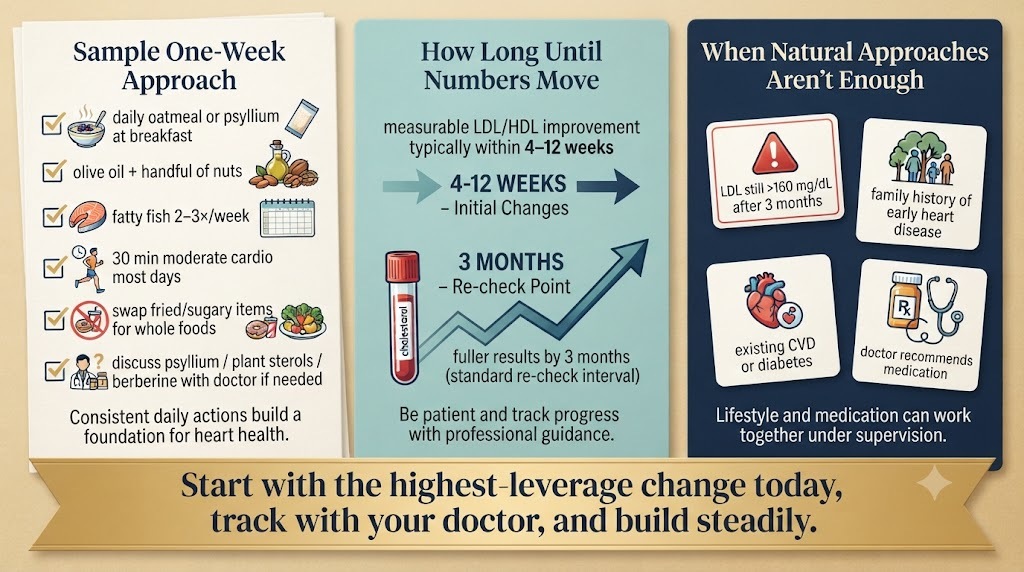
Most people following consistent dietary and exercise changes see measurable improvement in LDL and HDL within 4 to 12 weeks, with fuller results typically visible by 3 months — which is also the standard interval doctors use to re-check lipid panels after a lifestyle intervention. Sustainable, gradual change tends to produce more lasting results than aggressive short-term diets that are hard to maintain.
A Sample One-Week Approach
| Focus Area | Daily Action |
|---|---|
| Fiber | Oatmeal or psyllium husk at breakfast |
| Healthy fats | Olive oil for cooking, a handful of walnuts or almonds |
| Omega-3s | Fatty fish 2–3x per week or a daily algae/fish oil supplement |
| Movement | 30 minutes of moderate cardio, most days |
| Cut-backs | Swap fried breakfast items and sugary drinks for whole-food alternatives |
| Supplements (if appropriate) | Discuss psyllium, plant sterols, or berberine with your doctor |
When Natural Approaches Aren’t Enough
Natural strategies can produce meaningful improvement, but they aren’t always sufficient on their own, especially with genetically driven high cholesterol (familial hypercholesterolemia) or very elevated LDL levels. See a doctor if:
- LDL remains above 160 mg/dL despite 3 months of consistent lifestyle changes
- You have a family history of early heart disease
- You have existing cardiovascular disease or diabetes
- Your doctor has already recommended medication based on your overall cardiovascular risk score
Natural remedies and medication are not mutually exclusive — many people successfully use lifestyle changes to reduce the dose of medication needed, under medical supervision, rather than replacing it outright.
Frequently Asked Questions
1. How can I lower my cholesterol naturally without medication? The most effective natural approach combines increased soluble fiber intake, healthy fats like olive oil and fatty fish, regular exercise, and cutting trans fats and refined sugar, with most people seeing measurable improvement within 4 to 12 weeks of consistent effort.
2. What foods lower cholesterol the fastest? Oats, legumes, fatty fish, walnuts, and psyllium husk are among the fastest-acting cholesterol-lowering foods due to their concentrated soluble fiber and omega-3 content, often showing measurable LDL reduction within a few weeks of daily use.
3. Can exercise alone lower cholesterol? Exercise alone can meaningfully raise HDL and lower triglycerides, but combining it with dietary changes produces significantly better LDL reduction than exercise by itself.
4. How much soluble fiber do I need to lower cholesterol? Most clinical studies showing LDL reduction use 5 to 10 grams of additional soluble fiber daily, achievable through oats, legumes, psyllium husk, or a combination of fiber-rich foods.
5. Does garlic really lower cholesterol? Several clinical trials on aged garlic extract show modest LDL-lowering effects, though the impact is generally smaller than dietary fiber or plant sterol interventions, making it more of a supportive addition than a primary strategy.
6. Is red yeast rice safe for lowering cholesterol? Red yeast rice can meaningfully lower LDL because it contains compounds similar to statin medications, but it should only be used under medical supervision, especially if you’re already taking cholesterol-lowering drugs, due to overlapping effects and potential side effects.
7. How long does it take to see cholesterol improvement from diet changes? Most people see measurable changes in LDL and HDL within 4 to 12 weeks of consistent dietary and lifestyle changes, which is why doctors typically recheck lipid panels around the three-month mark.
8. Can losing weight lower cholesterol naturally? Yes, losing even 5 to 10% of body weight has been shown in clinical studies to meaningfully lower LDL and triglycerides while raising HDL, particularly when combined with dietary changes.
9. Are eggs bad for cholesterol? Current research suggests dietary cholesterol from eggs has a smaller effect on blood cholesterol for most people than previously believed, with saturated fat and trans fat intake playing a larger role, though those with existing high cholesterol may still benefit from moderating egg yolk intake.
10. What natural supplements actually work for high cholesterol? Psyllium husk, plant sterols and stanols, berberine, and aged garlic extract have the strongest clinical evidence among natural supplements for lowering LDL and supporting overall cholesterol balance.
11. Can stress affect cholesterol levels? Chronic stress can indirectly raise cholesterol by increasing cortisol, which affects fat metabolism and often leads to poorer food choices and reduced activity, making stress management a supportive part of any natural cholesterol-lowering plan.
Final Thoughts
Learning how to lower cholesterol naturally really comes down to a small number of high-impact changes done consistently: more soluble fiber, more healthy fats, regular movement, less trans fat and sugar, and select supplements where the evidence actually supports them. None of this requires perfection — most of the clinical improvement in these studies came from people making steady, realistic changes over months, not a single dramatic diet overhaul. Start with the highest-leverage change first, whether that’s adding oats to breakfast or a daily walk, track your numbers with your doctor every few months, and build from there.
This article is for informational purposes only and is not a substitute for professional medical advice. Always consult your healthcare provider before making significant dietary changes or starting any new supplement, especially if you have existing health conditions or take cholesterol medication.




Leave a Reply