
Introduction: You’re Not Alone—And Surgery Isn’t Your Only Option
Do you wake up 3 to 5 times a night to urinate? Does your enlarged prostate make it hard to enjoy everyday activities—whether it’s a road trip, a long meeting, or a restful night’s sleep? If so, you likely have benign prostatic hyperplasia (BPH), a condition that affects millions of men over 50.
While many doctors may recommend surgery when your prostate becomes significantly enlarged, emerging clinical research reveals a powerful alternative: certain everyday foods can naturally shrink an enlarged prostate and reduce symptoms by up to 40% in just a few weeks.
This article explores five scientifically supported foods that target the root causes of BPH—lowering inflammation, blocking the hormone DHT (dihydrotestosterone), and improving urinary flow. The best part? They’re already in your kitchen, waiting to help you reclaim comfortable nights and confident days.
Understanding an Enlarged Prostate After Age 50
What Causes the Prostate to Enlarge After 50?
The prostate is a walnut-sized gland located just below the bladder, surrounding the urethra. Around age 50, hormonal shifts—particularly a rise in estrogen relative to testosterone and increased conversion of testosterone to DHT—trigger slow but steady prostate growth.
As the gland enlarges, it compresses the urethra like a kinked garden hose. This obstruction leads to the hallmark urinary symptoms of BPH.
Common Signs and Symptoms of an Enlarged Prostate
- Weak or interrupted urine stream
- Difficulty starting urination
- Feeling that the bladder isn’t fully empty
- Frequent urination, especially at night (nocturia)—some men wake 5 to 8 times
- Sudden, urgent need to urinate
Beyond Physical Discomfort: The Hidden Toll of BPH
BPH doesn’t just disrupt your bladder—it impacts your entire life:
- Embarrassment during work meetings or social events
- Anxiety about long car rides or flights
- Strained relationships due to irritability or sleep deprivation
- Chronic fatigue, mood swings, and brain fog from poor sleep
Left untreated, severe BPH can lead to serious complications:
- Urinary retention (inability to urinate)
- Bladder stones
- Urinary tract infections (UTIs)
- Kidney damage
According to the National Institutes of Health (NIH), 50% of men aged 51–60 experience BPH symptoms—and that number climbs to 90% by age 85. Yet not every case requires surgery. For many, natural dietary strategies offer a safe, effective first step.
Night Detox Drink to Reduce Belly Fat
Why Surgery Isn’t Always Necessary
The Risks of Prostate Surgery
While surgical procedures like TURP (transurethral resection of the prostate) can relieve obstruction, they carry significant risks:
- Bleeding and infection
- Retrograde ejaculation (“dry orgasm”)
- Erectile dysfunction
- Urinary incontinence
- Need for repeat procedures
What Experts Actually Recommend
The American Urological Association (AUA) advises that lifestyle and dietary modifications should be the first-line treatment for mild to moderate BPH—before considering medication or surgery.
And science supports this: food-based interventions can significantly improve urinary function and reduce prostate size without drugs or scalpels.
How Food Fights an Enlarged Prostate
Unlike medications that manage symptoms or surgeries that remove tissue, these natural foods address the underlying biological drivers of BPH:
- Reduce inflammation in prostate tissue
- Inhibit 5-alpha-reductase, the enzyme that converts testosterone into DHT (the hormone that fuels prostate growth)
- Improve blood flow to the prostate
- Support healthy cellular function
- Decrease nighttime urination
Now, let’s explore the five most powerful foods proven to shrink an enlarged prostate.
Food #1: Cauliflower – The Cruciferous Prostate Protector
Why Cauliflower Tops the List
Cauliflower, along with broccoli and Brussels sprouts, belongs to the cruciferous vegetable family—a group rich in sulforaphane, a potent bioactive compound.
A landmark study in the Journal of Nutrition found that men who ate cruciferous vegetables three or more times per week had a 41% lower risk of developing an enlarged prostate.
The Science Behind Sulforaphane
Sulforaphane:
- Activates detoxifying genes in prostate cells
- Blocks 5-alpha-reductase, lowering DHT levels
- Reduces oxidative stress and inflammation
Plus, cauliflower is low in calories (25 per cup) and high in fiber, helping manage weight—critical since abdominal fat worsens prostate inflammation.
How to Eat Cauliflower for Maximum Benefit
- Lightly steam (3–4 minutes) to preserve sulforaphane
- Eat raw in salads or with hummus for maximum nutrient retention
- Blend into soups with garlic and turmeric for enhanced anti-inflammatory effects
Tip: Aim for at least one serving of cruciferous vegetables daily. Most men see symptom improvement in 4 to 6 weeks.
Food #2: Tomatoes – Nature’s Lycopene Powerhouse
Lycopene: The Prostate-Shrinking Antioxidant
Tomatoes contain lycopene, a red carotenoid antioxidant that accumulates in prostate tissue and protects against oxidative damage—a key driver of prostate enlargement.
Harvard Medical School tracked 47,000 men and found that those who consumed tomato-based foods 10+ times per week had 35% fewer BPH symptoms than those who ate tomatoes less than twice weekly.
Cooked Tomatoes Are Better
Surprisingly, cooking tomatoes increases lycopene bioavailability. Heat breaks down cell walls, releasing more lycopene—and tomato paste contains 3–4 times more absorbable lycopene than raw tomatoes.
How to Maximize Lycopene Absorption
- Pair with healthy fats: Add olive oil to sauces or soups—lycopene is fat-soluble
- Daily target: 10–15 mg of lycopene = 2 tbsp tomato paste or 1 cup tomato sauce
Prostate-friendly meal ideas:
- Morning eggs with tomato salsa
- Tomato-basil soup for lunch
- Spaghetti with marinara for dinner
- Sun-dried tomatoes as a snack
Regular tomato consumption is directly linked to stronger urine flow and fewer nighttime bathroom trips.
Food #3: Garlic – The Ancient Remedy with Modern Proof
Allicin: Garlic’s Secret Weapon Against BPH
When garlic is crushed or chopped, it releases allicin, a sulfur compound that:
- Reduces inflammation
- Improves circulation to the prostate
- Inhibits pathways that drive prostate growth
A study in Phytotherapy Research showed men with BPH who took garlic supplements experienced a 12–15% reduction in prostate size over 12 weeks.
A Real-Life Success Story
Robert, 55, struggled with frequent urination during work meetings—his colleagues’ teasing eroded his confidence. After starting a simple routine—two raw garlic cloves with warm water each morning—his symptoms improved within six weeks. His confidence returned, and so did his sleep.
How to Use Garlic Correctly
- Chop or crush 1–2 cloves
- Let sit for 10 minutes (this activates allicin)
- Consume on an empty stomach with lukewarm water
Safety tip: If raw garlic causes stomach upset, start with half a clove and gradually increase. Garlic also boosts immunity—making it a true all-around health ally for aging men.
7 Proven Home Remedies for Stronger Memory and Focus
Foods That Promote Prostate Health
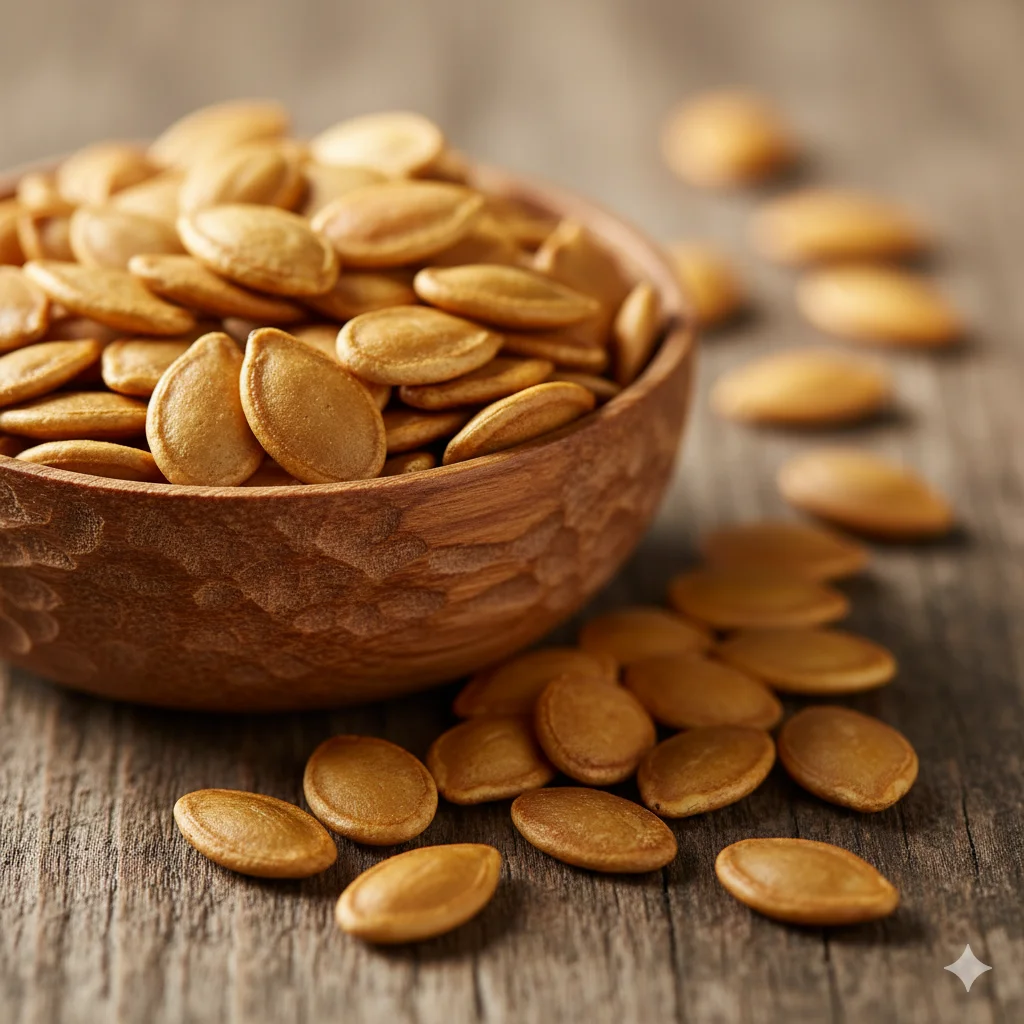
Food #4: Pumpkin Seeds – The BPH Superfood with the Strongest Evidence
Why Pumpkin Seeds Stand Out
Pumpkin seeds are exceptionally rich in zinc—a mineral the prostate needs more of than any other organ. Zinc deficiency is directly linked to prostate enlargement and low testosterone.
They also contain phytosterols, plant compounds that:
- Block 5-alpha-reductase (lowering DHT)
- Reduce prostate tissue swelling
- Strengthen bladder muscles
- Improve urine flow
What the Research Shows
- German study (2,245 men): Pumpkin seed oil improved urinary flow and reduced nighttime urination within 3 months
- Korean trial: 320 mg/day of pumpkin seed extract reduced BPH symptoms by 41% in 8 weeks
- European & Japanese studies: Confirmed reductions in prostate size and better sleep patterns
How to Use Pumpkin Seeds
- Daily dose: 1/4 cup (a small handful) = ~15 mg zinc
- Best time: Eat at night to support overnight hormone balance
- Raw vs. roasted: Raw retains slightly more nutrients, but light roasting enhances flavor without significant loss
Bonus: Pumpkin seeds are also rich in magnesium, supporting heart health, sleep, and stress reduction.
Food #5: Green Tea – The Prostate-Shrinking Elixir
How Green Tea Fights Prostate Enlargement
Green tea is packed with catechins, especially EGCG (epigallocatechin gallate), which:
- Inhibits 5-alpha-reductase
- Lowers DHT production
- Reduces inflammation
- Protects prostate cells from damage
Population studies in China show men who drink 3+ cups of green tea daily have 60% fewer BPH symptoms than non-tea drinkers.
Best Practices for Drinking Green Tea
- Brew at 160–180°F (not boiling) to preserve catechins
- Steep 3–5 minutes
- Drink after breakfast or with afternoon snacks—avoid on an empty stomach
- Never add milk (it binds antioxidants)
- Skip sugar or honey (they promote inflammation)
- Add lemon juice to boost catechin absorption
Daily dose: 1–2 cups is ideal. More than 5 cups may disrupt sleep due to caffeine—counterproductive if you’re trying to reduce nighttime urination.

Putting It All Together: Your Prostate-Healthy Diet Plan
Daily Routine for Natural Prostate Support
- Morning: 1–2 crushed garlic cloves + warm water → followed by green tea after breakfast
- Lunch: Salad or soup with tomatoes + cruciferous veggies (e.g., broccoli, cauliflower)
- Evening: 1/4 cup pumpkin seeds as a bedtime snack
Sample Weekly Menu
| Monday | Garlic cauliflower-tomato curry + green tea |
| Tuesday | Tomato soup + broccoli salad with pumpkin seeds |
| Wednesday | Cabbage stir-fry with garlic + marinara spaghetti |
| Thursday | Roasted Brussels sprouts with olive oil + fresh salsa |
| Friday | Tomato-vegetable soup + raw garlic |
| Saturday | Cauliflower rice with herbs + green tea |
| Sunday | Mixed salad featuring all 5 foods |
What to Expect: Realistic Timeline for Results
- Weeks 1–2: Slight reduction in nighttime bathroom trips
- Weeks 3–6: Stronger urine stream, 30–50% fewer nocturnal visits, less urgency
- Weeks 7–12: 12–15% reduction in prostate size, 40–60% symptom improvement, 50–70% better quality of life
Track your progress: Note how often you urinate at night, urine stream strength, and daytime urgency. Consistency is key—these foods work best with daily, long-term use.
Key Takeaways: What You Need to Remember
✅ Half of men over 50 have BPH—but surgery isn’t always needed
✅ These five foods are scientifically proven to shrink the prostate naturally
✅ Sulforaphane (cruciferous veggies), lycopene (cooked tomatoes), allicin (garlic), zinc/phytosterols (pumpkin seeds), and EGCG (green tea) all target BPH at the root
✅ Cooked tomatoes > raw for lycopene
✅ Pumpkin seeds have the strongest clinical backing
✅ Drink green tea wisely—no milk, no sugar, moderate amounts
✅ Results take 4–12 weeks—but they’re sustainable and side-effect-free
Frequently Asked Questions (FAQs)
Q1: How long until I see results?
Most men notice improvements in 4–6 weeks, with peak benefits at 12–16 weeks. Track nighttime bathroom trips to measure progress.
Q2: Can I avoid surgery with diet alone?
For mild to moderate BPH, yes—studies show 12–15% prostate shrinkage and 40–60% symptom relief. But if you have urinary retention or kidney issues, see a urologist immediately.
Q3: Which food works fastest?
Pumpkin seeds show the quickest clinical results (8–12 weeks), but combining all five creates a synergistic effect for best outcomes.
Q4: Any side effects?
Generally safe. Raw garlic may cause stomach upset (start slow). Green tea at night may disrupt sleep (limit to morning/afternoon). Pumpkin seeds are calorie-dense—stick to 1/4 cup/day.
Q5: Whole foods or supplements?
Whole foods are superior—they provide fiber, co-nutrients, and balanced phytochemistry. If using supplements, choose reputable brands and consult your doctor.
Q6: Do I need to keep eating these forever?
Yes. Think of them as lifestyle habits, not short-term fixes. They also reduce cancer risk and support overall health.
Q7: What else helps?
- Maintain a healthy weight
- Do pelvic floor exercises (Kegels)
- Limit caffeine and alcohol after 6 PM
- Avoid long periods of sitting
- Drink fluids earlier in the day
- Manage stress and get quality sleep
People Also Want to Know
- How to shrink your prostate without surgery?
Eat daily: cruciferous veggies, cooked tomatoes, garlic, pumpkin seeds, green tea. - Fastest-acting food?
Pumpkin seeds—start with 1/4 cup nightly. - Best natural regimen for men over 50?
1–2 garlic cloves, 1 cup tomato sauce, 1 serving cruciferous veg, 1/4 cup pumpkin seeds, 1–2 cups green tea. - Can diet really shrink the prostate?
Yes. Clinical trials confirm 12–15% size reduction in 12 weeks through anti-inflammatory, anti-DHT foods. - Best drink for prostate health?
Green tea—1–2 cups daily, brewed properly.
Conclusion: Reclaim Your Nights, Restore Your Confidence
You don’t have to accept sleepless nights, bathroom anxiety, or the risks of surgery as inevitable parts of aging. The power to shrink your prostate naturally is on your plate.
Cauliflower, tomatoes, garlic, pumpkin seeds, and green tea aren’t just foods—they’re targeted, science-backed tools that work together to:
- Reduce inflammation
- Block DHT
- Improve urine flow
- Restore restful sleep
- Boost confidence and vitality
Start with just one change today—add pumpkin seeds to your evening routine, swap your morning coffee for green tea, or stir garlic into your dinner. Track your symptoms weekly, and build from there.
Remember: natural doesn’t mean passive. Combine these foods with regular check-ups, exercise, and open communication with your healthcare provider.
Your prostate—and your quality of life—will thank you.
Take action today. Sleep through the night tomorrow.






Leave a Reply