Why High Cholesterol Quietly Threatens Your Heart
High cholesterol rarely announces itself. There’s no dramatic symptom, no warning ache — just a slow, silent build-up inside your blood vessels that can take years to reveal itself, often as a heart attack or stroke. That’s exactly why cardiologists call it a “silent killer,” and why so many people search for ways to lower high cholesterol naturally before it becomes a medical emergency.
In two decades of following cardiology research and heart-health literature, one thing has stayed constant: the people who succeed at managing their numbers are rarely the ones chasing miracle cures. They’re the ones who understand why cholesterol builds up, and who learn how to lower high cholesterol naturally through small, consistent habits that compound over months and years.
This guide breaks down what actually happens inside your arteries, which natural ingredients have real scientific backing, and how to lower high cholesterol naturally and safely — without falling for exaggerated “cure in one spoonful” claims that circulate online. For context on which everyday foods work against you, see this related breakdown of the worst foods for heart health.
What Causes Arterial Blockage? (Understand This Before You Try to Lower High Cholesterol Naturally)
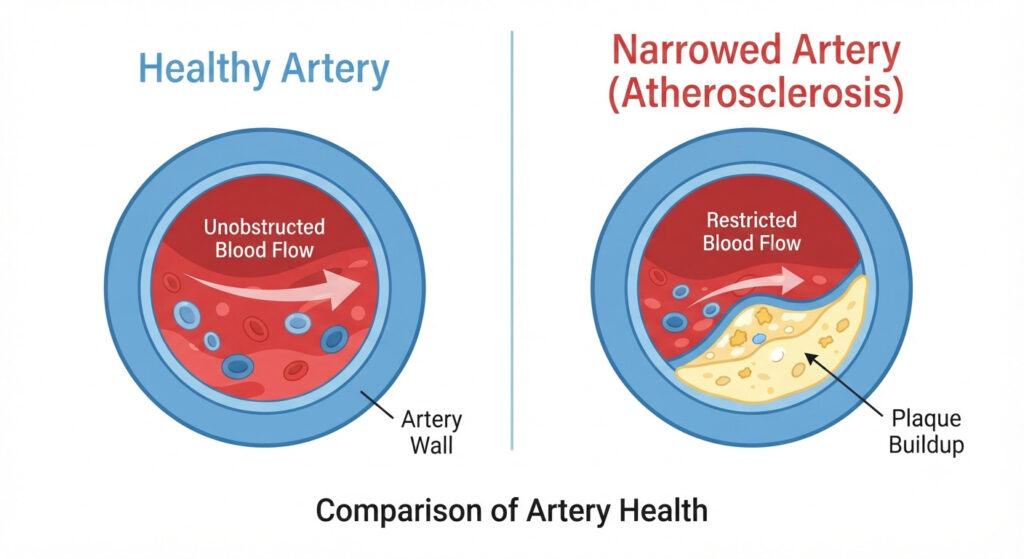
Arterial blockage, medically known as atherosclerosis, happens when excess LDL cholesterol (often called “bad cholesterol”) seeps into the walls of your arteries. Over time, this cholesterol combines with calcium, fatty deposits, and inflammatory cells to form plaque. As plaque builds up, it narrows the artery, restricting blood flow — and if a plaque ruptures, it can trigger a blood clot that blocks the artery entirely, causing a heart attack or stroke.
Key contributors include:
- Poor dietary fat balance – too much saturated and trans fat, too little fiber
- Low HDL (“good”) cholesterol, which normally helps clear excess LDL from the bloodstream
- Chronic inflammation, often driven by processed food, smoking, or stress
- Sedentary lifestyle and excess body weight
- Underlying conditions like diabetes, hypothyroidism, or kidney disease
- Genetics, which can predispose some people to high LDL regardless of diet
Understanding this mechanism matters because it explains why fiber-rich, antioxidant-rich foods genuinely help you lower high cholesterol naturally — they interrupt this process at multiple points, rather than magically “dissolving” blockage overnight. According to the National Center for Complementary and Integrative Health (NIH), several natural products have measurable, evidence-backed effects on cholesterol when used consistently.
How to Lower High Cholesterol Naturally: Does One Spoonful a Day Really Work?
Here’s the honest, evidence-based answer: no single food reverses arterial blockage or drastically lowers cholesterol within days. That kind of claim, common in viral videos, oversimplifies a slow biological process. However, several kitchen ingredients — taken consistently as part of a balanced diet — do have real, research-supported effects on LDL cholesterol and heart health over weeks and months. If your goal is to lower high cholesterol naturally, the “one spoonful” habit works best as a consistency tool, not a quick fix.
Here are the ingredients with the strongest evidence behind them.
1. Ground Flaxseed (Alsi) — A Natural Way to Lower High Cholesterol
A tablespoon of ground flaxseed daily is one of the most well-studied home remedies for cholesterol management. Flaxseed is rich in soluble fiber and lignans, plant compounds that help reduce LDL cholesterol absorption in the gut. According to Mayo Clinic, several studies have found that taking flaxseed daily can lower total cholesterol and LDL cholesterol. It also contains alpha-linolenic acid, a plant-based omega-3 fatty acid linked to improved heart health markers.
How to use it: Grind fresh flaxseed and stir one tablespoon into warm water, yogurt, or a smoothie each morning. Whole flaxseeds pass through the body largely undigested, so grinding is essential.
2. Psyllium Husk (Isabgol) — Fiber That Helps Lower High Cholesterol Naturally
Psyllium husk is a soluble fiber powerhouse. When mixed with water, it forms a gel that binds to cholesterol-rich bile acids in the digestive tract, prompting the liver to pull more LDL cholesterol out of the bloodstream to make new bile acids. Clinical research published in the American Journal of Clinical Nutrition has found consistent LDL cholesterol reductions with regular psyllium fiber intake, making it one of the most reproducible ways to lower high cholesterol naturally.
How to use it: One teaspoon in a glass of warm water, once daily, preferably at night or before a meal.
3. Garlic for High Cholesterol
Garlic contains allicin, a sulfur compound associated with modest reductions in total cholesterol and triglycerides when taken for more than two months, per the same NIH review cited above. It may also support healthy blood pressure and reduce arterial stiffness when eaten regularly.
How to use it: One crushed raw garlic clove on an empty stomach, or added to cooking daily.
4. Amla (Indian Gooseberry) and Aloe Vera Juice
Amla is exceptionally rich in vitamin C and antioxidants, which help reduce oxidative stress — a key driver of plaque formation. Combined with aloe vera juice, some studies suggest a modest supportive effect on lipid profiles, though more robust human trials are still needed.
How to use it: One teaspoon each of amla juice and aloe vera juice, mixed in water, on an empty stomach.
5. Soaked Fenugreek Seeds (Methi)
Fenugreek seeds are high in soluble fiber and saponins, compounds shown in several studies to modestly lower LDL cholesterol and improve triglyceride levels, alongside other hypocholesterolemic benefits.
How to use it: Soak one teaspoon of fenugreek seeds overnight and consume them, along with the water, first thing in the morning.
6. Oats and Whole Grains
While not a “spoonful” remedy, oats deserve mention because they contain beta-glucan, a soluble fiber with some of the strongest clinical evidence for lowering LDL cholesterol when eaten consistently as part of breakfast — another simple way to lower cholesterol naturally without major diet overhaul.
Lifestyle Habits That Help You Lower High Cholesterol Naturally
Natural ingredients work best alongside foundational heart-healthy habits. If you’re serious about how to lower high cholesterol naturally long-term, these matter as much as diet:
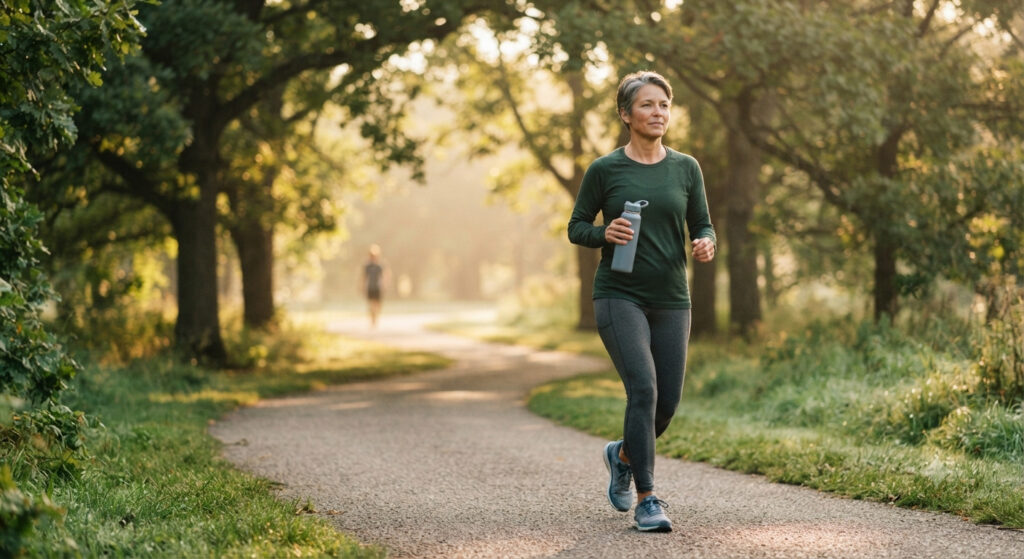
- Walk for at least 30 minutes daily to raise HDL and improve circulation
- Cut down on trans fats and fried food, common in packaged snacks
- Add more fiber-rich vegetables and legumes to every meal
- Manage stress, since chronic stress hormones can worsen lipid profiles
- Sleep 7–8 hours, as poor sleep is linked to higher LDL and inflammation
- Avoid smoking, which directly damages artery walls and accelerates plaque buildup
- Get your lipid profile tested every 6–12 months, especially after age 40
For a deeper look at everyday habits that quietly sabotage heart health, browse HealthMorph’s Health & Wellness section.
Frequently Asked Questions: How to Lower High Cholesterol Naturally
Can arterial blockage be reversed naturally? Some research suggests aggressive lifestyle changes — a very low-fat, plant-based diet combined with exercise and stress management — can modestly reduce plaque over years, but this must be medically supervised. Diet alone rarely reverses significant blockage; it primarily helps slow or prevent further buildup.
How long does it take to lower high cholesterol naturally? Most studies on fiber-based remedies like psyllium husk and flaxseed show measurable LDL reduction after 6 to 12 weeks of consistent daily use, not overnight.
Is one spoonful of any single ingredient enough to fix high cholesterol? No. Learning how to lower high cholesterol naturally works best as a combination of diet, physical activity, and — when needed — prescribed medication. Treat these remedies as supportive habits, not standalone treatments.
When should I see a doctor instead of relying on home remedies? If your LDL is significantly elevated, if you have existing heart disease, diabetes, or a family history of early heart attacks, consult a cardiologist before relying solely on natural remedies. Some fiber supplements can also interact with medications, so check with your doctor first.
The Bottom Line: How to Lower High Cholesterol Naturally
Managing high cholesterol and protecting your arteries isn’t about one miracle spoonful — it’s about consistency. Ingredients like flaxseed, psyllium husk, garlic, amla, and fenugreek genuinely have research behind them, and they remain some of the most accessible ways to lower high cholesterol naturally. But they work as part of a broader heart-healthy lifestyle, not a replacement for medical care. If you already have diagnosed heart disease or high cholesterol, talk to your doctor before starting any new remedy, especially if you’re on cholesterol-lowering medication.
⚠️ Seek emergency care immediately if you experience chest pain or pressure, shortness of breath, pain radiating to the arm or jaw, sudden dizziness, or cold sweats — these can be signs of a heart attack and require immediate medical attention, not home remedies.
Medical Disclaimer
This content is intended for general informational and educational purposes only and is not a substitute for professional medical advice, diagnosis, or treatment. Natural remedies discussed here may not be appropriate for everyone — some fiber supplements can interact with medications (including statins and blood thinners) or affect nutrient absorption. Always consult a qualified physician or registered dietitian before making significant dietary changes, starting a new supplement, or if you have a diagnosed heart condition, diabetes, or are on prescription medication. Never disregard professional medical advice or delay seeking it because of something you have read in this article.
About This Article
Written by: the Health Editorial Team This article was researched and written using peer-reviewed studies and guidance from recognized health authorities including the NIH’s National Center for Complementary and Integrative Health (NCCIH), Mayo Clinic, and clinical nutrition journals. It has not been reviewed by a named physician; readers should verify any remedy with their own doctor before use.
Last updated: July 2026
References
- National Center for Complementary and Integrative Health (NIH). High Cholesterol and Natural Products: What the Science Says.
- Mayo Clinic. Flaxseed and Flaxseed Oil.
- Mayo Clinic. Cholesterol-Lowering Supplements May Be Helpful.
- Jovanovski E, et al. Effect of Psyllium (Plantago ovata) Fiber on LDL Cholesterol and Alternative Lipid Targets. The American Journal of Clinical Nutrition.
- Anderson JW, et al. Long-Term Cholesterol-Lowering Effects of Psyllium as an Adjunct to Diet Therapy in the Treatment of Hypercholesterolemia. American Journal of Clinical Nutrition.
- Systematic review and meta-analysis on fenugreek’s hypocholesterolemic and metabolic effects. PubMed Central (NCBI).
- World Health Organization (WHO) and American Heart Association (AHA) general guidance on dietary fiber, saturated fat, and cardiovascular risk reduction.
This reference list reflects the general body of research the article draws on; specific figures and study details should be verified against the original sources for clinical or publishing use.





Leave a Reply