POTS natural remedies have become one of the fastest-growing health searches of the past few years, tracking almost exactly with the explosion in POTS diagnoses themselves — new cases in the US rose roughly fivefold after the pandemic, with an estimated 30% of people with severe long COVID going on to develop the condition. Postural orthostatic tachycardia syndrome is a disorder of the autonomic nervous system, the part of your body that runs heart rate, blood pressure, and blood vessel tone without you thinking about it, and it disproportionately affects women, often alongside Ehlers-Danlos syndrome, mast cell activation syndrome, and ME/CFS. If you’ve been told your heart races, your head spins, and your brain turns to fog every time you stand up, and you’ve landed in patient forums trying to piece together what actually helps, this guide is built to cut through that noise: the two interventions with genuinely strong evidence (salt and fluid loading, and a specific graded recumbent exercise protocol), what compression garments and adaptogenic herbs like ashwagandha and rhodiola can realistically offer, and — because this condition genuinely needs medical oversight — exactly when self-management stops being enough and it’s time to get a doctor involved.
What POTS Actually Is
Postural orthostatic tachycardia syndrome is diagnosed when heart rate increases by 30 beats per minute or more within 10 minutes of standing in adults (or exceeds 120 bpm outright), without the significant blood pressure drop that defines orthostatic hypotension — in POTS, it’s primarily a heart rate problem, not a blood pressure crash. In adolescents, the threshold is higher, at 40 bpm or more, since normal teenage heart rate variability is greater. Diagnosis also requires that symptoms have been present for at least three months and that dehydration, medication effects, or another medical condition have been ruled out first. This can be tested with a simple in-office active stand test — lying down for several minutes, then standing while heart rate and blood pressure are tracked — or, when more precision is needed, a formal tilt-table test.
Common symptoms include a racing heart on standing, dizziness or lightheadedness, fatigue, brain fog, shortness of breath, chest pain, headaches, nausea, and exercise intolerance. Notably, women wait significantly longer for diagnosis than men — an average of roughly five years compared to three — which is a large part of why so many people arrive at “POTS natural remedies” searches after already spending years being told their symptoms were anxiety or deconditioning.
Why POTS Rarely Shows Up Alone
This connects directly to the growth in searches around Ehlers-Danlos syndrome, mast cell activation syndrome, and ME/CFS, because POTS very frequently travels with them rather than existing in isolation. Research has found that roughly 80% of people with Ehlers-Danlos syndrome also have POTS, and there’s meaningful symptom overlap with mast cell activation syndrome (documented in around 42% of POTS patients in some research) and chronic fatigue syndrome (up to 28%). Roughly 56% of POTS patients show abnormal QSART results, a test for small-fiber nerve involvement, pointing to a genuine underlying autonomic nerve dysfunction in a meaningful subset of cases rather than a purely psychological or deconditioning-based explanation. If gut symptoms are part of your picture alongside POTS — which is common, since the autonomic nervous system also governs digestion — this research-based guide on the gut-brain axis and the link between gut health and mental health is worth reading as a companion resource.

The Two Interventions With the Strongest Evidence
This is where most POTS content stays too vague, listing a dozen tips with no sense of which ones the actual research backs most strongly. Here are the two with genuinely solid evidence behind them.
1. Salt and Fluid Loading (Grade A-Level Evidence for the Hypovolemic Subtype)
Many people with POTS, particularly those with the hypovolemic (low blood volume) form, genuinely benefit from increasing both sodium and fluid intake, since expanding blood volume directly counters the blood pooling and reduced venous return that trigger the racing heart rate on standing. This is one of the most consistently recommended first-line, non-drug interventions across POTS treatment guidance.
The actual numbers used in clinical guidance:
- Sodium: Expert consensus guidance recommends 3–10 grams of sodium per day, with pediatric and adolescent guidance commonly citing roughly 10 grams of salt (about 4 grams of sodium) daily as a starting target
- Fluid: Most guidance recommends 2–3 liters (roughly 80 ounces or more) of hydrating fluid daily — water, milk, electrolyte beverages, tea, smoothies, and soups all count
- Always pair the two. Salt without adequate fluid, or fluid without adequate salt, doesn’t produce the same blood-volume-expanding effect — this pairing is the actual mechanism, not a coincidental habit.
For context on how much sodium common foods and drinks provide, a teaspoon of table salt supplies roughly 2,325 mg of sodium, a cup of pickle juice provides about 1,000 mg, and a cup of V8 juice provides around 640 mg — useful reference points if you’re trying to hit a specific daily target through food and drink rather than supplements alone. Since sodium needs here are considerably higher than general population guidance, this is one of the clearer, more specific applications covered in this broader guide on electrolytes for daily hydration — who actually needs them, which explains POTS specifically as one of the legitimate, physician-guided reasons for higher sodium intake. If you’re comparing specific electrolyte products to hit your sodium target conveniently, this LMNT vs. Gatorade vs. Liquid I.V. comparison breaks down exactly which products deliver the most sodium per serving — LMNT’s 1,000 mg per stick, for instance, is considerably more efficient for hitting a high daily sodium target than a standard sports drink.
Important: even POTS patients with somewhat elevated blood pressure on standing are generally still advised to increase sodium and fluid, but this should always be discussed with your doctor given your specific presentation, since not everyone with POTS has the low-blood-volume subtype this intervention targets most directly.
2. Graded Recumbent Exercise (Grade A-Level Evidence, and Described as the Single Most Effective Therapy)
This is arguably the most important and most misunderstood piece of POTS management. Normal upright exercise — running, standing weight training, an elliptical — often triggers the exact symptoms POTS patients are trying to avoid, creating a vicious cycle where the condition itself makes the treatment that would help it feel impossible. The solution developed specifically around this problem is exercise that starts entirely horizontal, removing the upright trigger while still reconditioning the cardiovascular system.
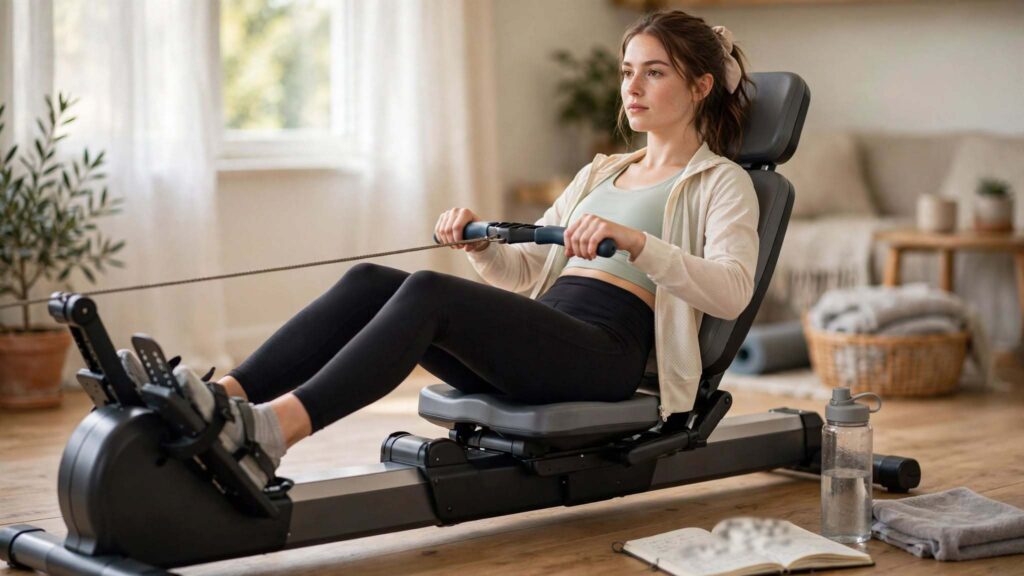
The Levine Protocol and its adaptation, the CHOP (Children’s Hospital of Philadelphia) Modified Protocol, are the most established, evidence-backed frameworks. Clinical data on these graded recumbent programs is genuinely striking: they’ve been associated with remission in roughly 53% to 71% of participants in various trials — a substantial figure for a non-drug intervention in a chronic condition.
How it works in practice:
- Start entirely recumbent. Swimming, rowing machines, and recumbent biking are the standard starting points, since the hydrostatic pressure of water in swimming acts almost like a full-body compression garment, making it one of the more symptom-free ways to begin.
- Progress gradually, typically 3–4 sessions per week, 25–30 minutes per session, calculated against individualized heart rate training zones based on age.
- Move to upright exercise only after a genuine base is built in the recumbent position — this isn’t a program to rush, and pushing to upright activity too early tends to trigger the exact symptom flare the horizontal starting point was designed to avoid.
- Wear compression garments during and after exercise specifically, since this can help stabilize blood pressure and reduce post-exercise blood pooling during the vulnerable window right after a session.
This is genuinely a case where “start slow and stay consistent” isn’t just generic advice — it’s the specific, evidence-backed mechanism. If building general cardiovascular consistency is unfamiliar territory for you, the same underlying principle (sustainable, moderate effort over intensity) is covered from a general-population angle in this guide on Zone 2 cardio — though anyone with POTS should follow the specific recumbent-first Levine or CHOP structure rather than a general cardio program, given how directly upright positioning triggers symptoms in this condition specifically.
Compression Garments: Real Mechanism, Moderate Evidence
Compression garments work through a straightforward, physiologically sound mechanism: external pressure on the blood vessels in the legs, thighs, and abdomen reduces blood pooling and pushes more blood back toward the heart, directly countering the venous pooling that drives POTS symptoms on standing.
What the research shows, honestly:
- Abdominal compression appears to matter more than leg compression alone. Research specifically comparing compression types has pointed to abdominal binders, or a combination of an abdominal binder with knee-high compression socks, as providing the best results — knee-high stockings alone, a common default recommendation, may be less effective than people assume.
- Medical-grade compression (20–30 mmHg or higher) outperforms standard over-the-counter stockings from a pharmacy.
- The overall evidence base is honestly still described as Grade B — genuinely promising and mechanistically sound, but with less robust trial data than the salt/fluid and exercise interventions above. One clinical trial specifically comparing full abdominal-and-leg compression against abdominal-only, leg-only, and no compression is still generating data on exactly which configuration works best.
Practical takeaway: waist-high or abdominal compression, not just knee-high socks, is where the stronger rationale lies, and medical-grade garments are worth the investment over drugstore versions if compression is part of your plan.
Adaptogenic Herbs and Nervous System Support: What’s Actually Established vs. What’s Patient-Community Discussion
This is where honesty matters most, because ashwagandha and rhodiola show up constantly in POTS patient communities, but it’s important to be direct about the current state of the evidence: these herbs do not have POTS-specific clinical trials behind them. What exists is a mechanism-based rationale — a reasonable hypothesis based on how these compounds work generally — rather than the kind of dedicated randomized controlled trial evidence that exists for salt/fluid loading and graded exercise.
Why the rationale is still worth understanding:
Chronic POTS symptoms keep the sympathetic nervous system — the fight-or-flight branch — persistently activated, since the body is essentially in a constant, low-grade state of cardiovascular alarm every time you’re upright. Adaptogens are theorized to support the body’s stress response system (the HPA axis) and may help modulate this chronic activation, though this hasn’t been specifically tested in POTS populations through rigorous trials.
Ashwagandha has real, separate clinical trial evidence for lowering cortisol and reducing anxiety in general populations, at doses typically in the 300–600 mg/day range over 4–8 weeks. This guide on ashwagandha for anxiety and stress covers that evidence base, along with dosing and — importantly for POTS patients specifically — safety considerations, since ashwagandha can affect blood pressure and thyroid function, both of which are already relevant variables in POTS management and warrant a conversation with your doctor before starting.
Rhodiola rosea has European Medicines Agency recognition specifically for stress-related fatigue and exhaustion, which overlaps with common POTS symptoms, though again, this recognition isn’t POTS-specific trial evidence.
The honest bottom line: if you’re already managing POTS with your doctor’s involvement and want to explore an adaptogen for the fatigue and chronic-stress-response piece of your symptoms, that’s a reasonable conversation to have — but go in knowing you’re extrapolating from general stress/anxiety research, not from dedicated POTS trials, and that any herb affecting blood pressure or heart rate needs specific medical oversight in this population given how finely balanced the underlying physiology already is.
Broader Nervous System Regulation
Beyond specific herbs, general nervous system regulation practices — paced breathing, gentle mindfulness, and consistent sleep — have a reasonable theoretical basis for POTS given the sympathetic overactivation described above, even without POTS-specific trials. This practical guide on using nutmeg for sleep naturally is a low-cost, low-risk starting point if sleep disruption is part of your symptom picture, which it very commonly is in POTS given how tightly sleep and autonomic regulation are connected.
Additional Practical Strategies Worth Knowing
- Physical counter-maneuvers: crossing your legs, clenching your fists, or tensing your leg muscles while standing can provide immediate, short-term symptom relief by mechanically pushing blood back toward your heart — genuinely useful as an in-the-moment tool during a symptomatic episode.
- Smaller, more frequent meals: large meals can worsen symptoms in some POTS patients by diverting blood flow to digestion, compounding the blood volume problem elsewhere in the body.
- Elevating the head of your bed slightly: some patients find this reduces morning symptoms by supporting overnight fluid regulation.
- Avoiding prolonged standing without movement: static standing is often worse than walking, since muscle contraction from movement helps pump blood back toward the heart.
- Heat avoidance: hot showers, hot weather, and alcohol can all worsen blood pooling and symptoms for many POTS patients.
A Realistic, Evidence-Graded POTS Support Framework
| Intervention | Evidence Grade | What It Involves |
|---|---|---|
| Salt and fluid loading | A (for hypovolemic subtype) | 3–10g sodium/day, 2–3L fluid/day, always paired |
| Graded recumbent exercise (Levine/CHOP) | A | 3–4x/week, 25–30 min, horizontal-first, gradual progression |
| Compression garments (abdominal + leg) | B | Medical-grade, 20–30mmHg+, worn during activity and flare periods |
| Physical counter-maneuvers | Practical, low-risk | Leg crossing, muscle tensing during symptomatic standing |
| Adaptogenic herbs (ashwagandha, rhodiola) | Mechanism-based rationale, not POTS-specific trials | Discuss with your doctor given BP/thyroid interaction potential |
| Sleep and nervous system regulation | Mechanism-based rationale | Consistent sleep, paced breathing, stress management |
| Smaller, frequent meals | Practical, patient-reported | Reduces post-meal blood flow diversion |
When Natural Approaches Aren’t Enough — See a Doctor
This section deserves real weight, not a throwaway line, because POTS is a genuine medical diagnosis requiring medical oversight, not a condition to fully self-manage from home.
See a doctor for proper diagnosis if:
- You experience a racing heart, dizziness, or fainting specifically tied to standing up, lasting more than a few weeks
- Symptoms significantly interfere with daily functioning, work, or school
- You have unexplained fatigue, brain fog, or exercise intolerance alongside orthostatic symptoms
Escalate care or seek urgent attention if:
- You experience actual fainting (syncope), not just lightheadedness
- Chest pain or significant shortness of breath accompanies your symptoms
- Heart rate readings are extremely high (well above 120 bpm) or irregular
- Symptoms are rapidly worsening rather than gradually improving with management
Ongoing medical involvement matters because:
- Proper diagnosis requires ruling out other causes (dehydration, medication effects, other cardiac or endocrine conditions) through active stand testing or tilt-table testing
- Sodium loading at the levels discussed above isn’t appropriate for everyone, particularly those with kidney disease, heart failure, or certain blood pressure patterns, and needs individualized guidance
- Medications (including beta-blockers, midodrine, or ivabradine) are often used alongside — not instead of — the natural strategies covered here, and the right combination is a medical decision
- Given how frequently POTS co-occurs with EDS, MCAS, and ME/CFS, a thorough workup can identify these overlapping conditions, which often changes the management plan meaningfully
- Autoimmune-associated POTS may require different, ongoing management, though — encouragingly — even complex presentations can still improve substantially with the right combined approach
If your POTS symptoms are tangled up with significant fatigue and brain fog that’s affecting your daily functioning broadly, it’s also worth reading this dedicated guide on brain fog causes, natural remedies, and when to see a doctor, since the overlap between POTS-related cognitive symptoms and other causes of brain fog is significant enough to be worth ruling out systematically alongside your POTS workup.
Frequently Asked Questions
1. What are the most effective natural remedies for POTS? Salt and fluid loading (typically 3–10 grams of sodium and 2–3 liters of fluid daily, always paired together) and graded recumbent exercise following the Levine or CHOP protocol have the strongest clinical evidence, with recumbent exercise programs associated with remission in roughly 53–71% of participants in various trials.
2. How much salt should someone with POTS eat per day? Expert consensus guidance generally recommends 3 to 10 grams of sodium daily, with pediatric guidance often citing around 10 grams of salt (about 4 grams of sodium) as a starting target. This should be paired with 2 to 3 liters of fluid daily and discussed with your doctor, since the right amount varies by individual presentation and health history.
3. Why does exercise make POTS worse, and how can I exercise safely with it? Standard upright exercise triggers the same orthostatic symptoms POTS causes on standing, creating a cycle of worsening deconditioning. The Levine and CHOP protocols solve this by starting entirely with recumbent exercise (swimming, rowing, recumbent biking) and only gradually progressing to upright activity as tolerance builds.
4. Do compression garments actually help with POTS? Yes, with a genuine physiological mechanism — external pressure reduces blood pooling in the legs and abdomen and helps return blood to the heart. Research suggests abdominal compression, or a combination of an abdominal binder with knee-high socks, works better than knee-high compression alone, and medical-grade garments (20–30 mmHg or higher) outperform standard drugstore compression stockings.
5. Does ashwagandha help with POTS? There’s no POTS-specific clinical trial evidence for ashwagandha, only a mechanism-based rationale from its general research on lowering cortisol and reducing anxiety. Since ashwagandha can affect blood pressure and thyroid function, both relevant to POTS, it should only be used with medical guidance in this population.
6. What is the connection between POTS and long COVID? Research has found roughly a fivefold increase in new POTS diagnoses after the pandemic compared to before, and an estimated 30% of people with severe, persistent long COVID symptoms go on to develop POTS. This connection is a major driver of the recent surge in POTS diagnoses and search interest.
7. Why does POTS often occur alongside Ehlers-Danlos syndrome and mast cell activation syndrome? Research has found that roughly 80% of people with Ehlers-Danlos syndrome also have POTS, and mast cell activation syndrome symptoms overlap in a meaningful percentage of POTS patients as well. The exact mechanisms connecting these conditions are still being researched, but they’re understood to share overlapping effects on connective tissue, blood vessels, and immune signaling.
8. How is POTS actually diagnosed? POTS is diagnosed when heart rate increases by 30 beats per minute or more (or exceeds 120 bpm) within 10 minutes of standing in adults, without the significant blood pressure drop seen in orthostatic hypotension, and symptoms must have persisted for at least three months with other causes ruled out. This can be assessed with a simple in-office active stand test or a more detailed tilt-table test.
9. Can POTS go into remission with natural treatment alone? For many people, particularly with consistent graded recumbent exercise combined with salt and fluid loading, meaningful improvement and in some cases remission is achievable, with trial data showing remission rates around 53 to 71% for structured exercise programs specifically. However, autoimmune-associated POTS and cases with significant underlying nerve involvement may require more comprehensive, ongoing medical management even with excellent adherence to natural strategies.
10. Is it normal to wait years for a POTS diagnosis? Unfortunately, this is common, with research showing women wait an average of roughly five years for diagnosis compared to about three years for men, often after being told symptoms were related to anxiety or deconditioning. If you suspect POTS based on the symptom pattern in this guide, bringing a symptom log and this diagnostic criteria information to a cardiologist, neurologist, or electrophysiologist can help advocate for proper testing.
11. What foods or drinks are good sources of sodium for POTS management? Practical high-sodium options include pickle juice (about 1,000 mg per cup), V8 juice (roughly 640 mg per cup), bouillon cubes (over 1,000 mg each), and electrolyte drinks formulated with higher sodium content, since standard sports drinks like Gatorade contain relatively little sodium (around 110 mg per cup) despite being commonly assumed to be electrolyte-focused.
Final Thoughts
POTS natural remedies genuinely work when they’re the right ones, applied consistently, and layered on top of — not instead of — proper medical diagnosis and oversight. Salt and fluid loading, and graded recumbent exercise through the Levine or CHOP protocol, carry the strongest evidence of anything covered here, with remission rates for structured exercise programs that are genuinely remarkable for a non-drug intervention. Compression garments have real mechanism and moderate evidence, particularly at the abdominal level. Adaptogens and nervous system regulation practices are reasonable to explore but should be understood honestly as extrapolated from general research rather than POTS-specific trials. Given how frequently this condition overlaps with EDS, MCAS, long COVID, and ME/CFS, and how much individualization the sodium and exercise protocols genuinely require, this is a condition where self-directed effort works best as one half of a partnership with a doctor who can confirm your diagnosis, rule out other causes, and help you build the specific combination that fits your presentation.
This article is for informational purposes only and is not a substitute for professional medical advice. POTS requires proper diagnosis and ongoing medical guidance, particularly around sodium loading, exercise progression, and any supplement or herb that may affect blood pressure, heart rate, or thyroid function. Seek prompt medical attention for fainting, chest pain, or rapidly worsening symptoms.






Leave a Reply