Inositol for PCOS has become one of the most searched supplement topics in women’s health, and unlike a lot of trending supplements, this one has genuinely earned its reputation — myo-inositol is now recommended in the 2023 International Evidence-Based PCOS Guidelines as a treatment option, backed by dozens of randomized controlled trials involving well over a thousand women. But here’s the problem with almost every article covering this topic: they tell you to “take inositol for PCOS” without explaining the single detail that actually determines whether it works or backfires — the ratio between myo-inositol (MI) and D-chiro-inositol (DCI). Get that ratio wrong, and research in both animal models and human follicular fluid suggests you can actually work against your own ovarian function, not support it. This guide covers what the clinical trials actually measured, the exact 40:1 ratio and dose that produced results, how inositol stacks up directly against metformin in head-to-head trials, why more D-chiro-inositol is not better despite what some marketing implies, and how to build inositol into a complete PCOS management plan rather than treating it as a standalone fix.
What PCOS Actually Is (Briefly, Because It Shapes Everything Else)
Polycystic ovary syndrome affects roughly 5–10% of women of reproductive age, making it one of the most common endocrine-metabolic disorders in this population. At its core, PCOS involves a combination of hormonal imbalance (typically elevated androgens), irregular ovulation, and — in a large majority of cases — insulin resistance. These three pieces feed each other: insulin resistance drives excess insulin production, excess insulin stimulates the ovaries to produce more androgens, and elevated androgens disrupt normal follicle development and ovulation. This interconnected loop is exactly why insulin-sensitizing treatments — inositol included — sit at the center of modern PCOS management rather than being treated as a side option.
What Inositol Actually Is and Why It’s Different From a Random Supplement
Inositol isn’t an exotic compound — it’s a naturally occurring sugar alcohol your body already produces and that’s found in foods like citrus fruits and beans. It functions as a second messenger in insulin, FSH (follicle-stimulating hormone), and neurotransmitter signaling pathways, meaning it’s directly involved in relaying the “open the door and let glucose in” signal that insulin sends to your cells. In women with PCOS, this signaling pathway is frequently disrupted — researchers describe it as the cellular “doorbell” for insulin being effectively broken, which is a major contributor to the insulin resistance so common in this condition.
There are two forms of inositol relevant to PCOS, and understanding the difference between them is the single most important thing this guide can teach you:
- Myo-inositol (MI) — supports FSH signaling and healthy egg development in the ovary
- D-chiro-inositol (DCI) — involved in androgen metabolism and insulin-stimulated glucose uptake
Your body converts MI into DCI using an enzyme called epimerase, and in a healthy ovary, this conversion is tightly controlled to maintain a very specific balance.

The Ratio That Changes Everything: Why 40:1 Is Not Arbitrary
This is the content gap that separates a genuinely useful article from the generic “take inositol for PCOS” advice flooding search results.
In healthy ovarian follicular fluid, the natural myo-inositol to D-chiro-inositol ratio sits at approximately 40:1 — myo-inositol dominates heavily. In women with PCOS, this ratio becomes disrupted: chronically high insulin levels overactivate the epimerase enzyme that converts MI to DCI, which depletes local myo-inositol stores in the ovary specifically and impairs egg quality as a direct result. Research has found the ovarian MI/DCI ratio can be maintained around 100:1 in healthy women but drop dramatically, to as low as 0.2:1, in women with PCOS — a genuinely striking shift in balance.
The Part Almost No Consumer Article Explains: More DCI Is Not Better
This is where supplement marketing and actual research diverge sharply, and it’s worth being direct about it. A landmark dose-ranging clinical trial directly tested seven different MI/DCI ratios in PCOS patients — including DCI alone, and ratios from 1:3.5 up to 80:1 — and found that the 40:1 ratio specifically was the most effective for restoring ovulation and normalizing hormone markers including FSH, LH, SHBG, estradiol, and free testosterone. Critically, the researchers found that increasing DCI beyond this ratio caused a loss of the beneficial reproductive effects — meaning a “more is better” assumption with DCI is directly contradicted by the trial data.
This finding is reinforced by animal research: a PCOS mouse study testing 5:1, 20:1, 40:1, and 80:1 ratios found mice treated with the 40:1 ratio made a fast, near-complete recovery from PCOS-like symptoms, while other ratios — particularly those with higher DCI content — were less effective or actively worsened the pathological features. A separate, more recent mouse study went further, testing higher doses of DCI alone and finding they could actually induce a PCO-like syndrome and other ovarian alterations, directly demonstrating that excess DCI isn’t a neutral “more insulin sensitivity is always good” proposition — it can specifically harm ovarian function even while still helping metabolic markers elsewhere in the body.
The practical takeaway: if you’re choosing a PCOS inositol supplement, look specifically for a 40:1 myo-inositol to D-chiro-inositol ratio, not a high-DCI blend, and be cautious of any product emphasizing “more DCI for better insulin sensitivity” as a selling point — the reproductive research doesn’t support that framing.
What the Clinical Evidence Actually Shows
The 2023 International PCOS Guidelines
Myo-inositol is now recommended as a treatment option in the internationally recognized, evidence-based PCOS guidelines — a meaningful endorsement, since these guidelines are built from systematic review of the full available trial base rather than individual studies or marketing claims.
Meta-Analysis Data (The Real Numbers)
A comprehensive 2023 meta-analysis reviewing 26 randomized controlled trials involving 1,691 patients found that, compared to placebo, inositol produced statistically significant improvements in:
- Normalizing menstrual cycles
- Lowering BMI
- Reducing androgens (testosterone, free testosterone, and androstenedione)
- Increasing SHBG (sex hormone-binding globulin, which binds excess testosterone)
- Reducing fasting plasma glucose
A separate meta-analysis specifically evaluating the MI/DCI combination at the 40:1 ratio, covering 9 clinical trials and 247 PCOS patients, concluded that both MI alone and MI combined with DCI at 40:1 are effective, inducing higher ovulation rates and a better overall metabolic profile. A third meta-analysis spanning 10 trials and 573 patients confirmed this, adding that low-dose DCI combined with MI specifically decreases insulin resistance, corrects hyperinsulinemia, and improves ovulation rates.
Fertility-Specific Outcomes
For women actively trying to conceive, the numbers are genuinely compelling: in trials measuring ovulation directly, myo-inositol led to spontaneous ovulation in roughly 70% of women, compared to about 30% with placebo. In women considered clomiphene-resistant (meaning the standard first-line fertility medication hadn’t worked for them), adding myo-inositol improved clinical pregnancy rates by an estimated 30–40%.

Inositol vs. Metformin: What the Head-to-Head Trials Actually Found
This comparison matters enormously in practice, since metformin has traditionally been the default insulin-sensitizing option prescribed for PCOS, and a growing number of women are asking whether inositol is a genuine alternative.
Efficacy: Broadly Comparable, With Some Trials Favoring Inositol
The 2023 meta-analysis referenced above found inositol had the same efficacy as metformin in normalizing menstrual cycles, lowering BMI, lowering testosterone levels, and improving glycemic outcomes. A more recent prospective observational study comparing the two in 200 women found both improved insulin sensitivity, lowered testosterone, promoted more regular cycles, and increased ovulation rates and oocyte quality — but women treated with myo-inositol experienced greater overall benefit across several of these measures.
A direct randomized controlled trial comparing MI (4g/day) against metformin (2g/day) over six months found a more nuanced picture worth reporting honestly: metformin produced significantly better results for fasting glucose, weight loss (−6.1 kg vs. −2.3 kg), and HDL cholesterol, while the effect on menstrual cycle length was comparable between the two treatments. This is an important, balanced finding that a lot of pro-inositol content leaves out — metformin still has a real, measurable metabolic edge in some outcomes, even though inositol performs comparably for reproductive markers.
Tolerability: This Is Where Inositol’s Real Advantage Shows Up
Across the same body of research, the side effect difference is stark. The 2023 meta-analysis found inositol produced 84% fewer side effects than metformin for comparable efficacy on most outcomes. In the direct six-month RCT above, adverse effects appeared in 4 women on myo-inositol versus 16 women on metformin — a statistically significant and clinically meaningful difference. Metformin is well known for causing gastrointestinal side effects (nausea, diarrhea, cramping) that lead many women to discontinue it, while inositol is consistently reported as much better tolerated.
Combining Both: Sometimes the Better Answer
Interestingly, the research doesn’t necessarily frame this as an either-or choice. A large randomized trial of 196 women found that a metformin plus myo-inositol combination outperformed metformin alone, producing greater improvement in insulin resistance (HOMA-IR) and fewer cases of heavy menstrual bleeding, with comparable, mild side effects between groups. For some women, particularly those with more significant insulin resistance, combination therapy under medical guidance may outperform either treatment alone.
Dosage: What the Trials Actually Used
Based on the clinical research reviewed throughout this guide, here’s the specific, trial-matched protocol:
Myo-inositol alone:
- Dose: 2 grams twice daily (4 grams total per day)
- Duration: 3–6 months before reassessing symptoms and lab markers
Myo-inositol + D-chiro-inositol combination:
- Dose: 2 grams MI + 50 mg DCI twice daily (totaling 4 grams MI + 100 mg DCI per day), maintaining the 40:1 ratio
- Duration: Similar 3–6 month window
Timing: Taking it in two divided doses (rather than one large dose) appears to help maintain more consistent plasma levels throughout the day, which is the format used across most of the clinical trials referenced here.
A dosing distinction worth knowing: research on inositol for anxiety and OCD-spectrum conditions has used considerably higher doses — in the range of 12–18 grams per day — which is an entirely separate, medically supervised use case and not the dose relevant to PCOS management. If you see a product marketed at those higher doses for “mood support,” that’s a different application with different research behind it, not a more potent PCOS formula.
How Long Before You See Results
This is a genuinely useful detail most competing content glosses over: benefits for cycle regularity and metabolic markers typically build gradually over weeks to around 3 months, rather than producing an immediate effect. Most trials structured their assessment points around the 3-month and 6-month marks specifically because that’s the realistic window for measurable change in both ovulation patterns and lab values like HOMA-IR and androgen levels. If you start inositol and don’t notice a difference within the first few weeks, that’s expected — give it the full 3-month window before judging effectiveness, consistent with how the actual research was designed.
Side Effects and Safety
Inositol is consistently described across the research as one of the safer evidence-backed PCOS supplements, and safety is genuinely one of its strongest selling points relative to metformin. Reported side effects are generally mild and limited to occasional gastrointestinal upset (nausea, mild stomach discomfort) at higher doses — nothing close to the frequency or severity of metformin’s typical GI side effect profile.
That said, “well tolerated” doesn’t mean “use without guidance,” especially given everything this guide has covered about ratio and dosing specificity:
- Choose a 40:1 ratio product specifically, avoiding high-DCI or DCI-dominant formulations for PCOS use, based on the reproductive-harm findings covered above
- Coordinate with your doctor if you’re managing fertility, pregnancy, or IVF, since dosing and monitoring needs differ in these contexts
- If you’re already on metformin, don’t add inositol without medical guidance, even though the combination trial above showed benefit — dosing and monitoring should be coordinated rather than self-directed
- Pregnancy: myo-inositol combined with folic acid has research support specifically for fertility and IVF contexts, but any supplement use during pregnancy should be confirmed with your OB or fertility specialist first
Inositol Works Best as Part of a Broader PCOS Strategy
This is a point worth stating plainly, because it’s easy for any single well-evidenced supplement to get oversold as a complete solution: inositol’s own clinical trials were conducted alongside standard medical care and monitoring, not as an isolated intervention replacing everything else. A complete approach to PCOS management typically layers several evidence-based pieces together.
Managing Insulin Resistance Beyond Inositol
Since insulin resistance sits at the center of PCOS pathology, other evidence-based insulin-sensitizing approaches are worth understanding alongside inositol. Berberine, for instance, has its own substantial body of research for insulin resistance and blood sugar management through a different mechanism (AMPK activation) than inositol’s second-messenger pathway — this guide on berberine for blood sugar and weight loss covers a direct comparison study using berberine specifically in PCOS patients, alongside dosing and important safety considerations, including why it shouldn’t be combined with other insulin-sensitizing treatments without medical supervision.
Diet and Fiber
Dietary approaches that support insulin sensitivity compound with inositol’s own mechanism rather than working independently of it. Higher fiber intake slows glucose absorption and reduces the insulin spikes that drive the excess androgen production at the heart of PCOS symptoms; this practical guide on fibermaxxing and hitting 30g of fiber a day without bloating offers a realistic, gradual approach to building this habit. Refined carbohydrates and added sugar have the opposite effect, and breakfast tends to be where the biggest hidden sugar load sits for most people — this breakdown of the worst foods for breakfast you should avoid is a useful place to start auditing.
Protein Intake
Adequate protein supports stable blood sugar, satiety, and — for women managing PCOS-related weight changes — lean muscle preservation during any weight management effort. This guide on protein powder for women breaks down how much protein actually supports these goals and how needs shift across different life stages, including the same hormonal considerations relevant to PCOS management.
Exercise
Regular movement independently improves insulin sensitivity through mechanisms separate from weight loss alone, which is directly relevant given how central insulin resistance is to PCOS. Sustainable, moderate-intensity training tends to be more consistent and maintainable long-term than sporadic intense exercise; this guide on Zone 2 cardio and why it’s become so popular covers a well-evidenced, sustainable approach to building this habit.
Sleep and Stress
Chronic stress and poor sleep both elevate cortisol, which worsens insulin resistance and can compound PCOS symptoms independent of diet and exercise. This guide on using nutmeg for sleep naturally offers a practical, low-cost starting point if sleep disruption is part of your picture.
Gut Health
Emerging research increasingly points to a connection between gut bacteria composition and PCOS-related inflammation and insulin resistance. If you’re building a broader gut-health strategy alongside inositol, this strain-specific guide to probiotics for gut health explains which specific strains actually have research behind them for relevant outcomes, since — much like inositol’s own ratio specificity — probiotic effectiveness is strain-dependent rather than a blanket category claim.
Menstrual Cycle Awareness
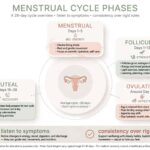
Given how central irregular cycles are to a PCOS diagnosis, it’s worth being clear-eyed about which cycle-related interventions have genuine evidence behind them versus which are overstated by popular wellness trends — this honest, evidence-based breakdown of cycle syncing is directly relevant for separating real physiology from social-media oversimplification, a distinction that matters just as much in PCOS management as it does for cycle-based fitness claims generally.
A Realistic Inositol Protocol for PCOS
| Element | Evidence-Based Approach |
|---|---|
| Form | 40:1 myo-inositol to D-chiro-inositol ratio (avoid high-DCI products) |
| Dose | 2g MI + 50mg DCI, twice daily (4g MI + 100mg DCI total per day) |
| Timing | Split into two doses for steadier plasma levels |
| Duration before assessment | 3 months minimum; full picture often clearer at 6 months |
| Monitoring | Track cycle regularity; consider periodic bloodwork (fasting glucose/insulin, androgens) with your doctor |
| Combined with metformin? | Only under medical supervision — research supports the combination but dosing should be coordinated |
| Pregnancy/fertility use | Confirm with OB or fertility specialist; often paired with folic acid in trials |
Frequently Asked Questions
1. Does inositol actually work for PCOS, or is it just a trend? Yes, the evidence is genuinely substantial — a 2023 meta-analysis of 26 randomized controlled trials involving 1,691 patients found significant improvements in menstrual regularity, BMI, androgen levels, and fasting glucose compared to placebo, and myo-inositol is now recommended in the 2023 International Evidence-Based PCOS Guidelines.
2. What is the correct ratio of myo-inositol to D-chiro-inositol for PCOS? The research consistently points to a 40:1 ratio of myo-inositol to D-chiro-inositol as most effective, which mirrors the natural ratio found in healthy ovarian follicular fluid. A landmark dose-ranging trial testing seven different ratios found 40:1 specifically restored ovulation most effectively, while higher D-chiro-inositol amounts reduced the reproductive benefit.
3. Can too much D-chiro-inositol actually be harmful for PCOS? Yes, this is a genuinely important and often-overlooked finding. Animal research found that high doses of D-chiro-inositol alone could induce a PCO-like syndrome and other ovarian alterations, and human dose-ranging trials found ratios with higher D-chiro-inositol content lost the beneficial reproductive effects seen at the 40:1 ratio, meaning more D-chiro-inositol is not automatically better for ovarian function.
4. What is the correct dosage of inositol for PCOS? The clinical standard used across most trials is 4 grams of myo-inositol daily, taken as 2 grams twice daily, either alone or combined with 100mg of D-chiro-inositol (50mg twice daily) to maintain the 40:1 ratio. This matches the dosing used in the major meta-analyses and most individual PCOS trials.
5. How long does it take for inositol to work for PCOS symptoms? Most clinical trials assessed outcomes at the 3-month and 6-month marks, and benefits for cycle regularity and metabolic markers typically build gradually over this window rather than producing an immediate effect. It’s reasonable to give inositol a full 3 months before evaluating whether it’s working for you specifically.
6. Is inositol better than metformin for PCOS? It depends on what you’re measuring. A major meta-analysis found comparable efficacy between the two for menstrual regularity, BMI, and testosterone reduction, but a direct six-month trial found metformin produced better results for fasting glucose, weight loss, and HDL cholesterol. Inositol’s clear advantage is tolerability, with roughly 84% fewer side effects than metformin in trial data.
7. Can I take inositol and metformin together? Research supports this combination — a large randomized trial found metformin plus myo-inositol outperformed metformin alone for improving insulin resistance and reducing heavy menstrual bleeding, with comparable, mild side effects between groups. However, this combination should be coordinated with your doctor rather than self-directed.
8. Does inositol help with PCOS-related fertility and ovulation? Yes, this is one of the better-evidenced outcomes. Myo-inositol led to spontaneous ovulation in roughly 70% of women in trials, compared to about 30% with placebo, and in women who hadn’t responded to clomiphene citrate, adding myo-inositol improved clinical pregnancy rates by an estimated 30 to 40%.
9. What are the side effects of taking inositol for PCOS? Inositol is considered one of the safer evidence-backed PCOS treatments, with side effects generally limited to occasional mild gastrointestinal upset at higher doses. This is significantly milder and less frequent than the gastrointestinal side effects commonly associated with metformin.
10. Should I buy myo-inositol alone or a myo-inositol/D-chiro-inositol combination? Both have research support for PCOS — myo-inositol alone shows positive results across multiple trials, and the combination at a 40:1 ratio has shown effectiveness for ovulation rates and metabolic profile in dedicated meta-analyses. What matters most is avoiding high-D-chiro-inositol products, since the ratio research clearly shows more D-chiro-inositol is not more effective and can work against ovarian function specifically.
11. Is inositol safe to take during pregnancy or while trying to conceive? Myo-inositol combined with folic acid has research support specifically for fertility and IVF outcomes, including improved oocyte quality and pregnancy rates, but any supplement use during pregnancy or active fertility treatment should be confirmed with your OB or fertility specialist rather than self-directed.
12. What causes the myo-inositol to D-chiro-inositol imbalance in PCOS in the first place? Chronically elevated insulin levels overactivate an enzyme called epimerase, which converts myo-inositol into D-chiro-inositol at an accelerated rate. This depletes local myo-inositol stores specifically within the ovary, impairing egg quality and disrupting the healthy 40:1-to-100:1 ratio typically maintained in follicular fluid.
Final Thoughts
Inositol for PCOS is a genuine example of a supplement where the hype and the evidence largely line up — the trial base is substantial, the mechanism is well characterized, and the comparison data against metformin gives women a real, well-tolerated option worth discussing with their doctor. But the detail that separates an informed choice from a wasted purchase is the ratio: 40:1 myo-inositol to D-chiro-inositol, not a high-DCI blend marketed as “more potent,” backed by both human dose-ranging trials and animal research showing that excess D-chiro-inositol can actively work against ovarian function. Combine the right formulation and dose with the broader insulin-sensitivity fundamentals — fiber, protein, movement, sleep, and gut health — give it a full 3-month trial window, and involve your doctor in monitoring and any decision to combine it with metformin. That’s the complete, evidence-based version of this treatment, not the abbreviated one most articles settle for.
This article is for informational purposes only and is not a substitute for professional medical advice. Consult your healthcare provider before starting inositol for PCOS, particularly if you are pregnant, trying to conceive, or already taking metformin or another insulin-sensitizing medication.






Leave a Reply