
Last Updated: August 2026
Quick Answer
If your muscles are not growing despite gym and diet efforts that look perfect on paper, the problem often isn’t your workout or your macros — it’s how well your body is actually digesting and absorbing what you eat. Poor digestion (low stomach acid, an imbalanced gut, insufficient enzymes, or a sluggish liver) can mean you’re absorbing far less of your protein and nutrients than the label on your food suggests, no matter how disciplined your training is. If you’re unsure whether your protein target itself is even right for you, our guide on how much protein you actually need is a good place to check that before troubleshooting digestion.
Why I’m Writing About This
I’ve talked to enough frustrated gym-goers dealing with muscles not growing despite gym and diet routines that should work perfectly to recognize the pattern: perfect macros, consistent training, and almost no visible progress. It’s easy to assume the answer is more protein, more volume, or better genetics. What gets overlooked far more often than it should is digestion — the step between “food eaten” and “nutrients actually used by your muscles.”
This isn’t about replacing solid training and nutrition advice. It’s about the piece that often sits quietly underneath both, unaddressed, while everything else gets optimized.
The Part of the Equation Most People Skip When Muscles Are Not Growing Despite Gym and Diet
Muscle growth depends on training stimulus, adequate protein and calories, recovery, and consistency over time. But there’s a step in between eating and muscle repair that’s easy to take for granted: your body actually has to break that food down and absorb it. If digestion isn’t working well, some portion of the protein and nutrients you’re eating simply doesn’t make it into your bloodstream in a usable form.
This is worth taking seriously, but it’s also worth being precise about: digestive issues don’t need to be dramatic to matter. Mild, chronic issues — a bit of bloating you’ve gotten used to, occasional fatigue after meals, inconsistent digestion — can quietly reduce how much you’re actually absorbing, even if nothing feels seriously “wrong.”
Signs Digestion Might Be Behind Muscles Not Growing Despite Gym and Diet
- Frequent bloating, especially after protein-heavy meals
- Noticeable fatigue or sluggishness after eating
- Inconsistent energy despite adequate sleep and calories
- Digestive discomfort that’s become “normal” background noise
- Slow or minimal progress despite a genuinely well-structured training and nutrition plan
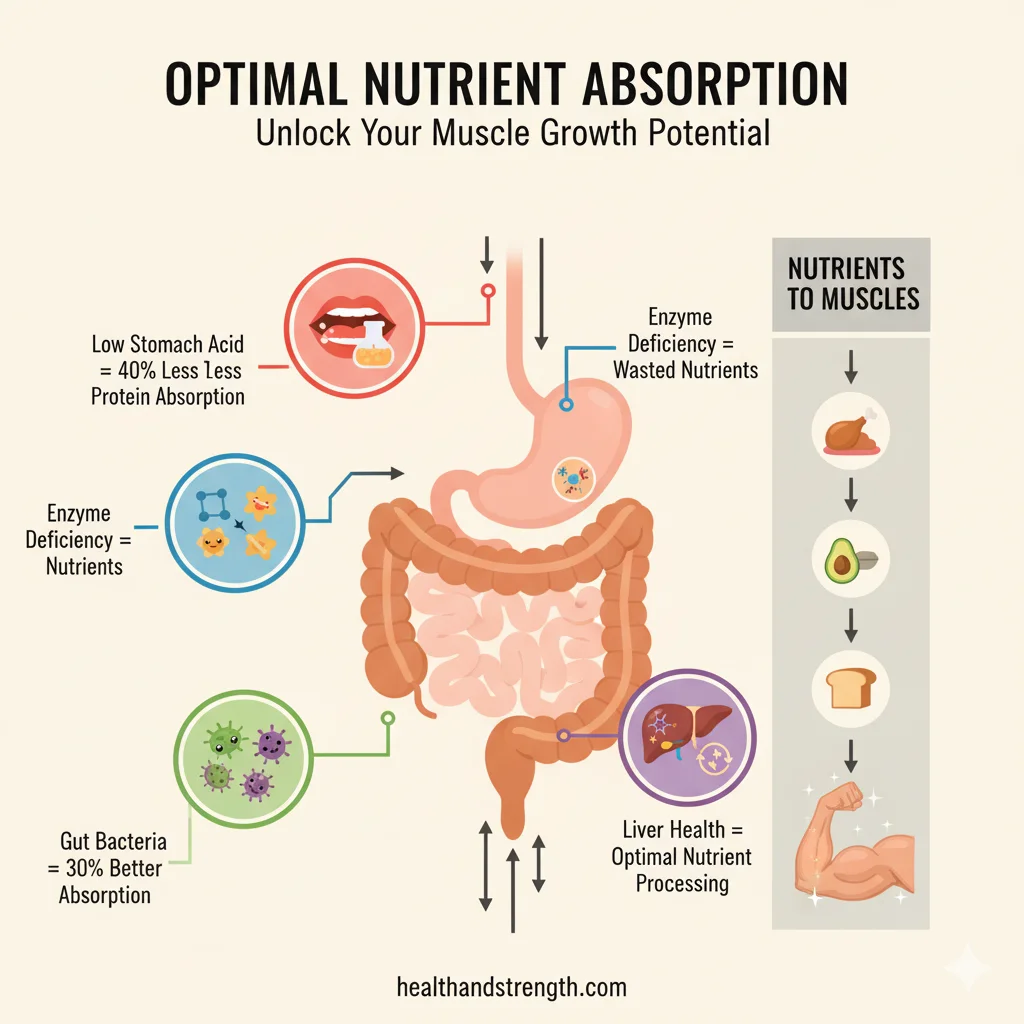
None of these are a diagnosis — they’re signals worth paying attention to, and worth bringing up with a doctor if they’re persistent, rather than something to self-treat with a long supplement stack. If fatigue and low energy are your main symptoms, it’s also worth ruling out simpler causes first — our guide on iron deficiency and anemia in women covers one common, easily-missed culprit.
The Digestive Factors Worth Understanding
Digestive Enzymes
Enzymes are what actually break proteins, fats, and carbohydrates down into forms your body can absorb. Production can be affected by stress, eating too quickly, not chewing thoroughly, and — for some people — age. You don’t need a lab test to start supporting this; simply eating more slowly and chewing thoroughly is a free, evidence-backed first step, since digestion genuinely begins in your mouth. Consistency here matters more than any single habit — the same principle behind Dinacharya, the Ayurvedic daily routine, which is built around regular, predictable daily patterns rather than occasional effort.
Gut Bacteria (the Microbiome)
Your gut hosts an enormous community of bacteria that plays a role in nutrient extraction, inflammation levels, and even some vitamin production. A diet low in fiber and fermented foods, combined with high stress and poor sleep, can shift this balance in a less favorable direction over time. Supporting it doesn’t require anything exotic — fiber-rich vegetables, legumes, and a regular source of fermented food go a long way. What you’re avoiding matters just as much as what you’re adding — our breakdown of ultra-processed foods looks at how heavily processed diets can work against a healthy gut environment over time.
Stomach Acid
Adequate stomach acid is genuinely important for protein digestion and mineral absorption. That said, self-diagnosing “low stomach acid” and self-treating with acid supplements is not something I’d recommend — the symptoms overlap with several other conditions, some of which acid supplementation could actually worsen. If you suspect this is a real issue for you, it’s worth raising with a doctor rather than guessing — the same caution applies to most conditions covered in our Health Conditions section, where we consistently point toward proper evaluation over self-diagnosis.
Liver Function
Your liver plays a central role in processing what you eat — including amino acid metabolism and fat digestion via bile production. Persistent fatigue, difficulty digesting fatty foods, or unexplained sluggishness are worth mentioning to a doctor, especially if they’re new or worsening, rather than something to self-manage with a stack of “liver detox” supplements. If you’re drawn to natural, traditional approaches to support overall wellness, our guide on the Ayurvedic approach to joint pain and inflammation looks at what the evidence actually shows for similar natural remedies — a useful lens for evaluating any “detox” claim critically.
Practical Changes That Actually Help (No Guesswork Required)
1. Slow Down and Chew Properly
This sounds almost too simple to matter, but it’s one of the most consistently supported digestion habits there is. Chewing thoroughly increases the surface area enzymes have to work with and reduces the burden on the rest of your digestive system. Eating a meal in five rushed minutes at your desk works against you here.
2. Space Your Meals Out
Constant grazing keeps your digestive system working with little downtime. Structuring your day around 3-4 solid meals, rather than near-continuous snacking, gives your gut a chance to actually complete digestion between meals for most people.
3. Build Meals Around Whole, Fiber-Rich Foods
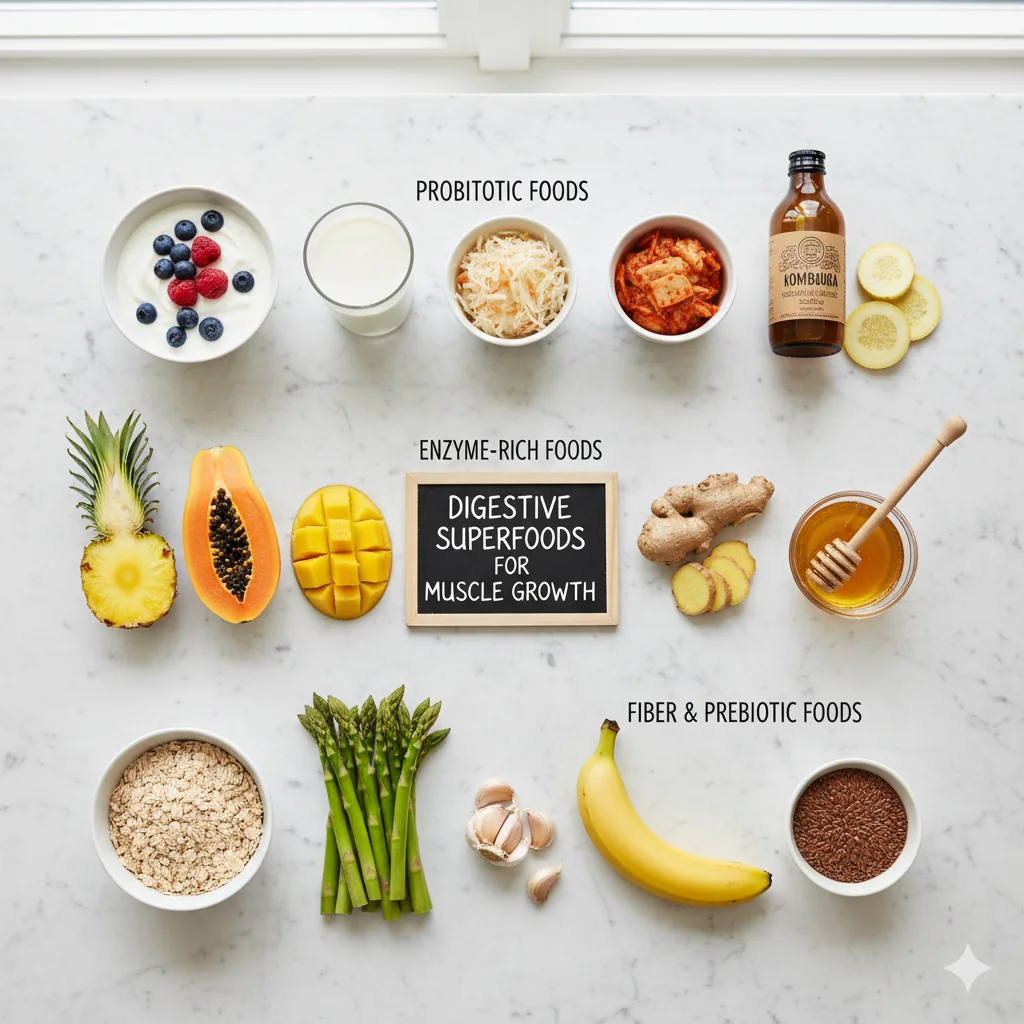
A diet built primarily around whole foods — vegetables, legumes, whole grains, and a consistent fiber intake — supports a healthier gut environment far more reliably than any single supplement. Fermented foods like yogurt, kefir, or sauerkraut can be a useful, low-risk addition if you enjoy them, but they’re a complement to a solid diet, not a substitute for one. For more on structuring meals this way day to day, our Nutrition & Diet section covers this in more depth.
4. Don’t Overload Single Meals with an Extreme Amount of Protein
Distributing your protein intake across several meals throughout the day, rather than trying to hit it all in one or two sittings, tends to be easier on digestion and is generally a more sustainable approach for most people’s schedules anyway. If you’re newer to structured training and still figuring out how nutrition and workouts fit together, our strength training for beginners guide is a good companion resource.
5. Move After You Eat
A short, easy walk after a meal is a genuinely low-risk habit that many people find helps with bloating and general comfort. It doesn’t need to be intense — a relaxed 10-15 minutes is enough to be worth doing consistently.
6. Manage Stress Around Mealtimes
Eating while stressed or distracted doesn’t create the ideal conditions for digestion. Something as simple as sitting down, putting your phone away, and taking a few slow breaths before eating is a small, free habit that’s worth building. If stress in general has been a bigger issue for you than just mealtimes, our piece on walking for anxiety covers a simple, well-supported way to bring stress down more broadly, which tends to help digestion too.
7. Prioritize Sleep
Sleep and digestive health are more connected than people expect — poor sleep affects both gut health and recovery capacity. If your sleep has been inconsistent, that’s genuinely worth addressing before adding anything else to your routine.
About Supplements: A Word of Caution
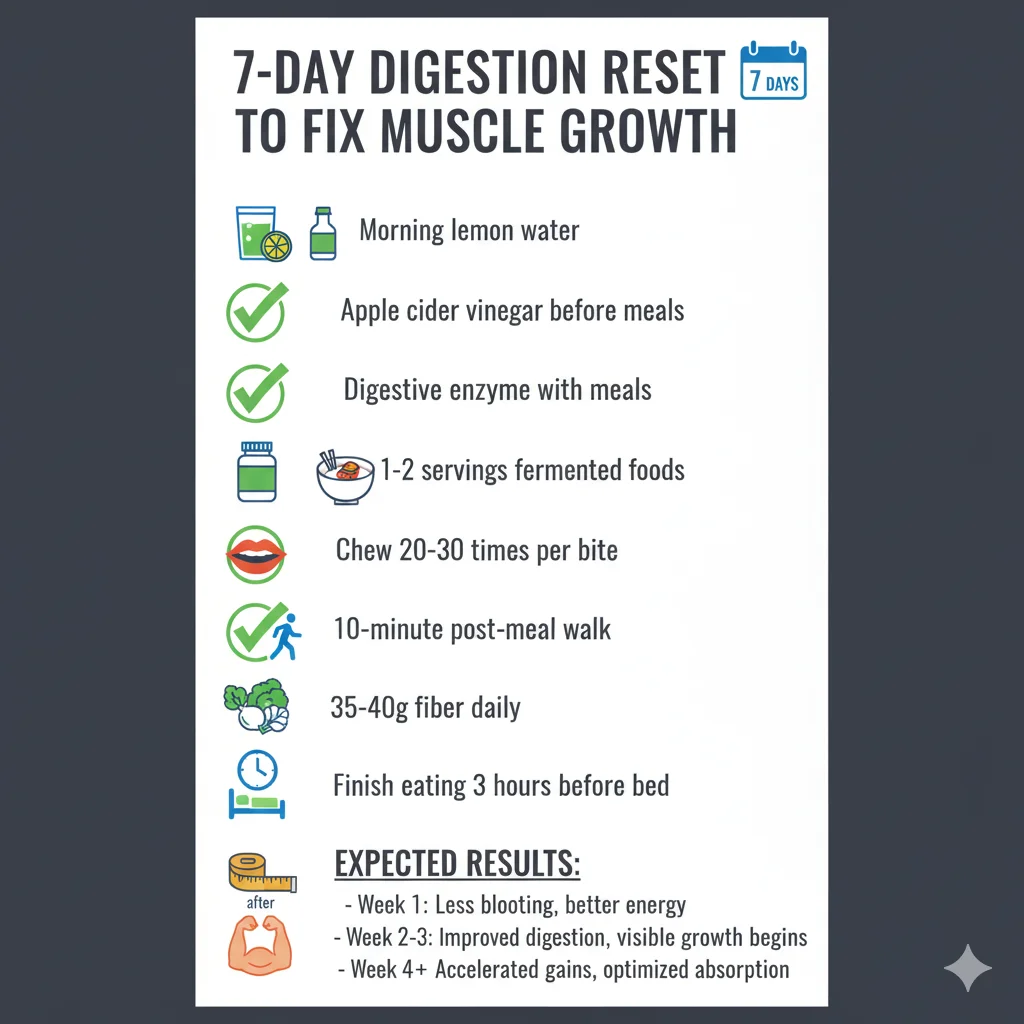
You’ll find no shortage of content online recommending specific probiotic strains, enzyme blends, and dosages for digestive support. I’m intentionally not going to hand you a dosing chart here. Supplements interact differently with different people’s health conditions, medications, and gut history, and getting dosing wrong — especially with things like stomach acid support — can cause real problems rather than solve them. If you want to explore supplementation, that’s a conversation worth having with a doctor or registered dietitian who knows your specific health picture, not something to copy from a generic article, including this one. If you’re specifically considering an herbal supplement like ashwagandha, our comparison of ashwagandha supplements is a useful starting point for understanding what you’re actually buying before you take that conversation to a doctor.
When to See a Doctor Instead of Troubleshooting Alone
If you’re dealing with persistent bloating, ongoing fatigue, noticeable digestive discomfort, or a consistent inability to gain muscle despite a genuinely solid training and nutrition plan for several months, that’s a good point to bring it to a doctor rather than continuing to self-experiment. Digestive issues can sometimes point to something that benefits from proper testing and diagnosis, and a professional can rule out or identify what’s actually going on far more reliably than trial and error. This is especially true for issues like low sperm count and male fertility, where underlying nutritional or health factors are easy to miss without proper testing.
Final Thoughts
If you’ve been doing everything “right” in the gym and kitchen without the results to show for it, digestion is genuinely worth a closer look — it’s one of the most commonly overlooked pieces of the muscle-building equation. The good news is that most of the meaningful, low-risk changes here are free: eating slower, spacing meals out, building your diet around whole foods, moving after meals, and getting enough sleep. Layer those in consistently before reaching for a supplement stack, and give it real time — digestive changes tend to show up gradually, not overnight. For more practical, evidence-conscious guides like this one, browse our Fitness & Exercise and Nutrition & Diet sections.
Frequently Asked Questions
Can poor digestion really prevent muscle growth even with a good diet and training plan? Yes, it’s possible. If digestion isn’t working well, you may absorb less of the protein and nutrients you’re eating than expected, which can limit progress even when your training and food intake look correct on paper.
What are simple signs my digestion might be affecting my fitness progress? Frequent bloating, fatigue after meals, inconsistent energy, and slow progress despite consistent training and nutrition are worth paying attention to, though they’re not a self-diagnosis — persistent symptoms are worth discussing with a doctor.
Do I need supplements to fix digestion for muscle growth? Not necessarily. Habits like eating slower, spacing meals out, prioritizing fiber-rich whole foods, and managing stress around meals are free, low-risk starting points. Supplement decisions are best made with a doctor or dietitian who knows your health history.
How long does it take to notice a difference after improving digestion habits? This varies by person, but consistent habits like slower eating and better meal spacing are generally given a few weeks to show a noticeable difference, with more meaningful changes often building over a couple of months.
Should I try to self-diagnose low stomach acid or take acid supplements on my own? This isn’t recommended. Symptoms attributed to low stomach acid overlap with other conditions, and self-treating without a proper diagnosis can potentially make things worse. It’s best addressed with a doctor if you suspect it’s a real issue.
This article is for general informational purposes and reflects common, low-risk lifestyle habits. It is not medical advice and is not a substitute for consultation with a qualified doctor or registered dietitian, especially if you’re experiencing persistent digestive symptoms or considering supplementation.







Leave a Reply